Palaces of Industry is a new series of large-scale collages on panel that returns to my earliest influences: the floating geometries and dynamic equilibrium of Suprematism, Constructivism's photomontage tradition and layering, Giacometti's surrealist structures, Duchamp's readymades. I appropriate images from contemporary artists who make architecture their subject, reconstructing them as monumental collages. These are imagined futures inspired by great industrial palaces built at the birth of modernism: the Crystal Palace, factories that housed new collective labor, the production sites that promised transformation. White space floods the compositions. Fragments hover. The scale creates immersive worlds you can step inside—flatness expands into depth. Building utopian space from contemporary art's fascination with architecture, I turn art's gaze at architecture back on itself. These are not pictures. They are visions.
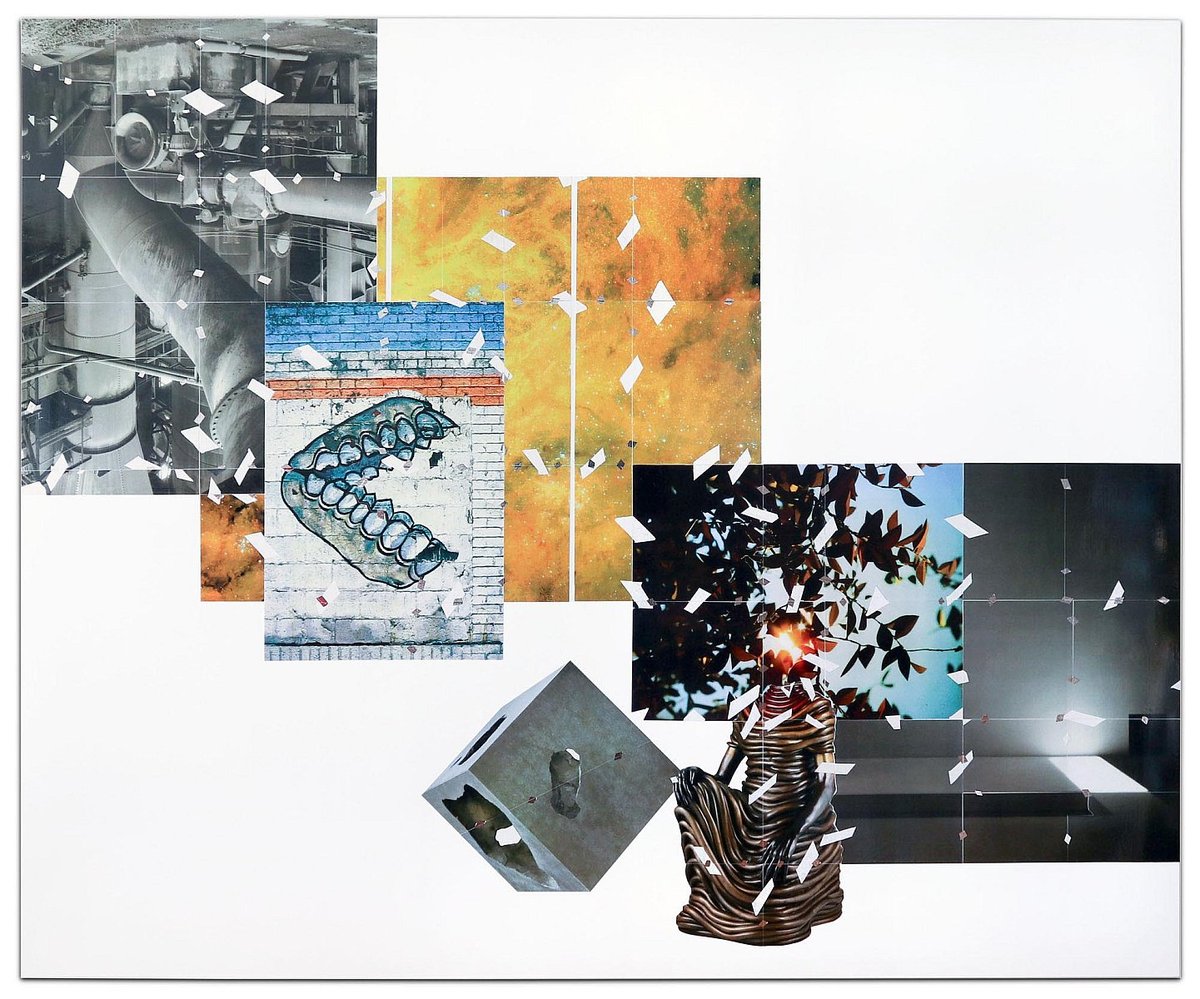
Foundry
2026 · Collage on prepared panel · 87 × 72 × 2 in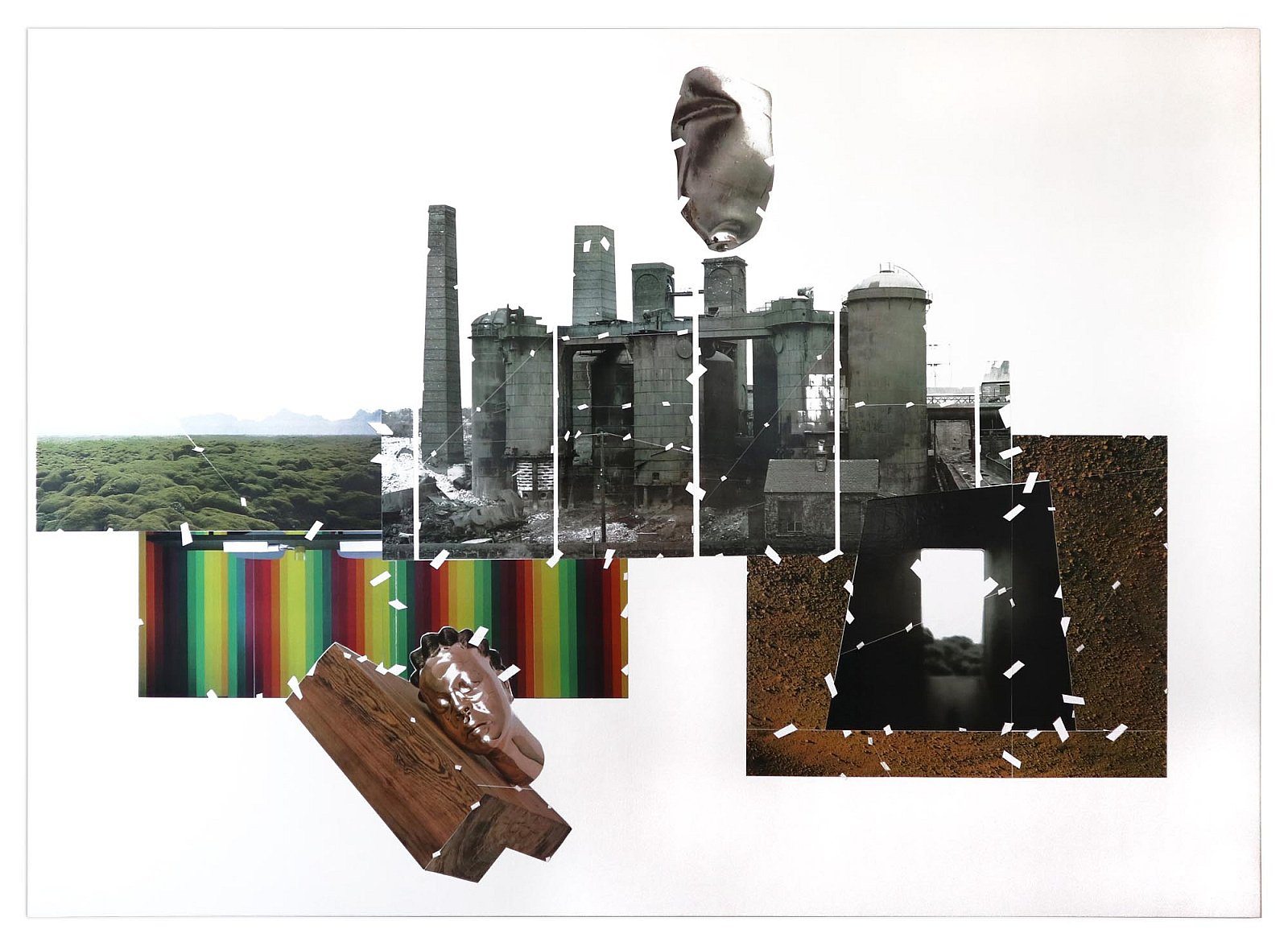
Powerhouse
2026 · Collage on prepared panel · 55 × 76 × 2 in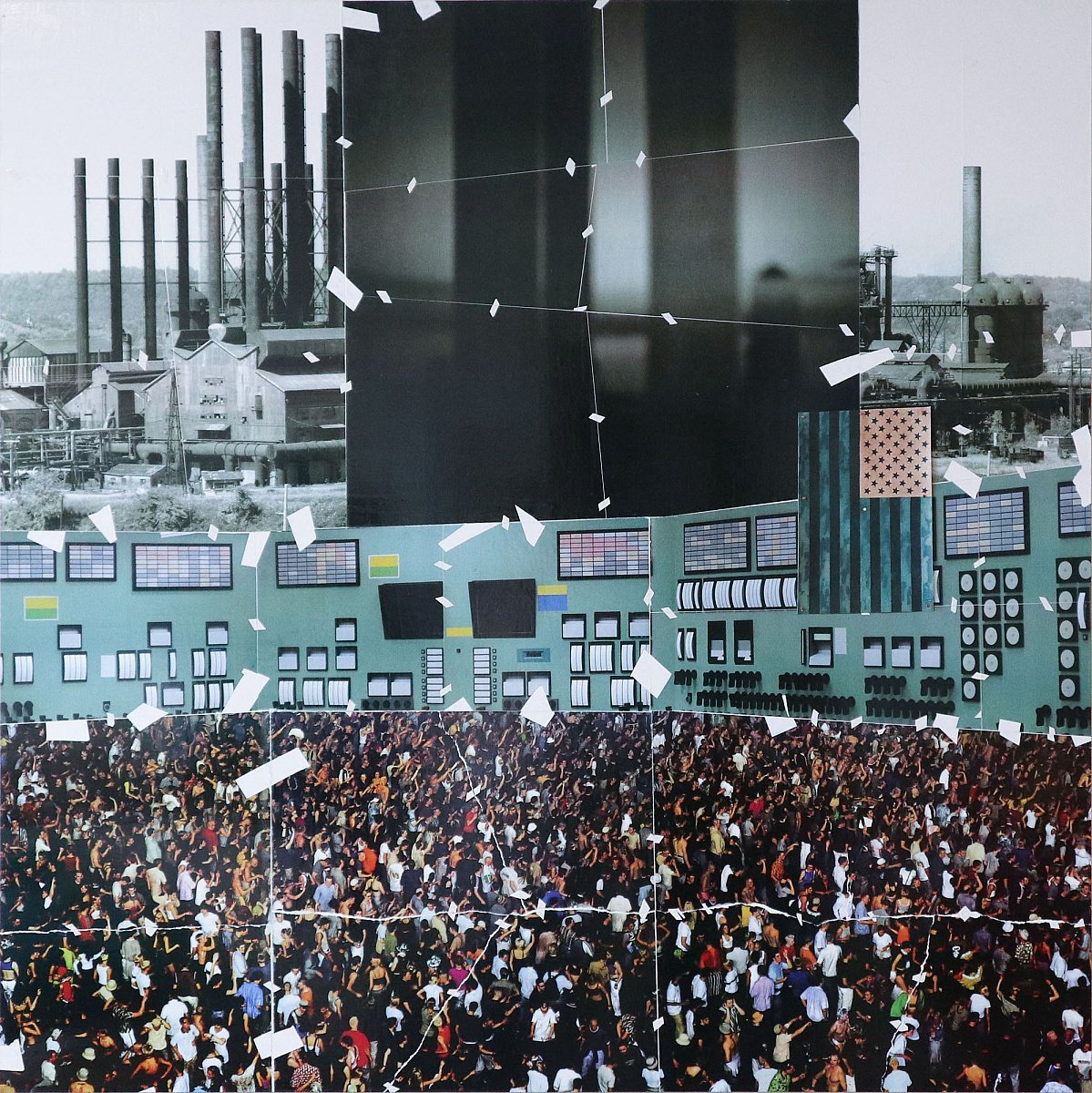
Union Hall
2026 · Collage on prepared panel · 48 × 48 × 2 in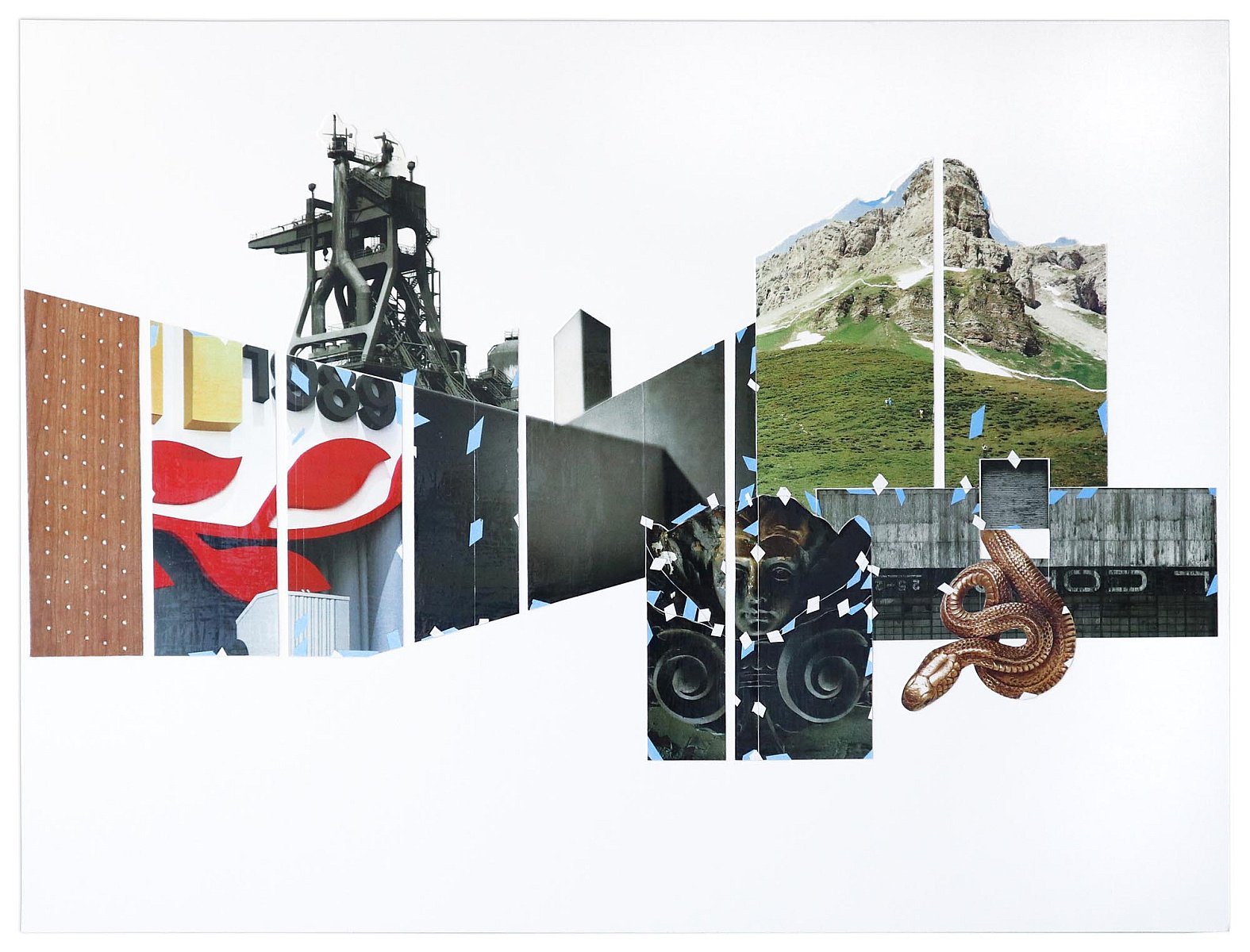
Mine
2026 · Collage on prepared panel · 36 × 48 × 2 in"Dynamic new topographies that reframe the past to imagine alternate, speculative futures."
— Susan Snodgrass, Artforum, Summer 2026
Palaces and Prisons · Western Exhibitions, Chicago · March 27, 2026
The worlds I portray in the Prisons of Invention series invoke an expanded range of scales, from architectural to urban to landscape, while challenging our experience of gravity, orientation and space-time. Borrowing their name from Giovanni Battista Piranesi's etching series Carceri d'invenzione (ca. 1749–50), these collages mark a significant increase in scale and complexity, creating immersive visions reminiscent of the Italian master's multilayered imaginary prisons. The enlargement process requires seams to be used both within and between image fragments. Artist's tape for temporary positioning is not removed but remains as part of the work, and the source material comes entirely from a select group of photographers working on architecture, urbanism, and landscape at the beginning of the 21st century.
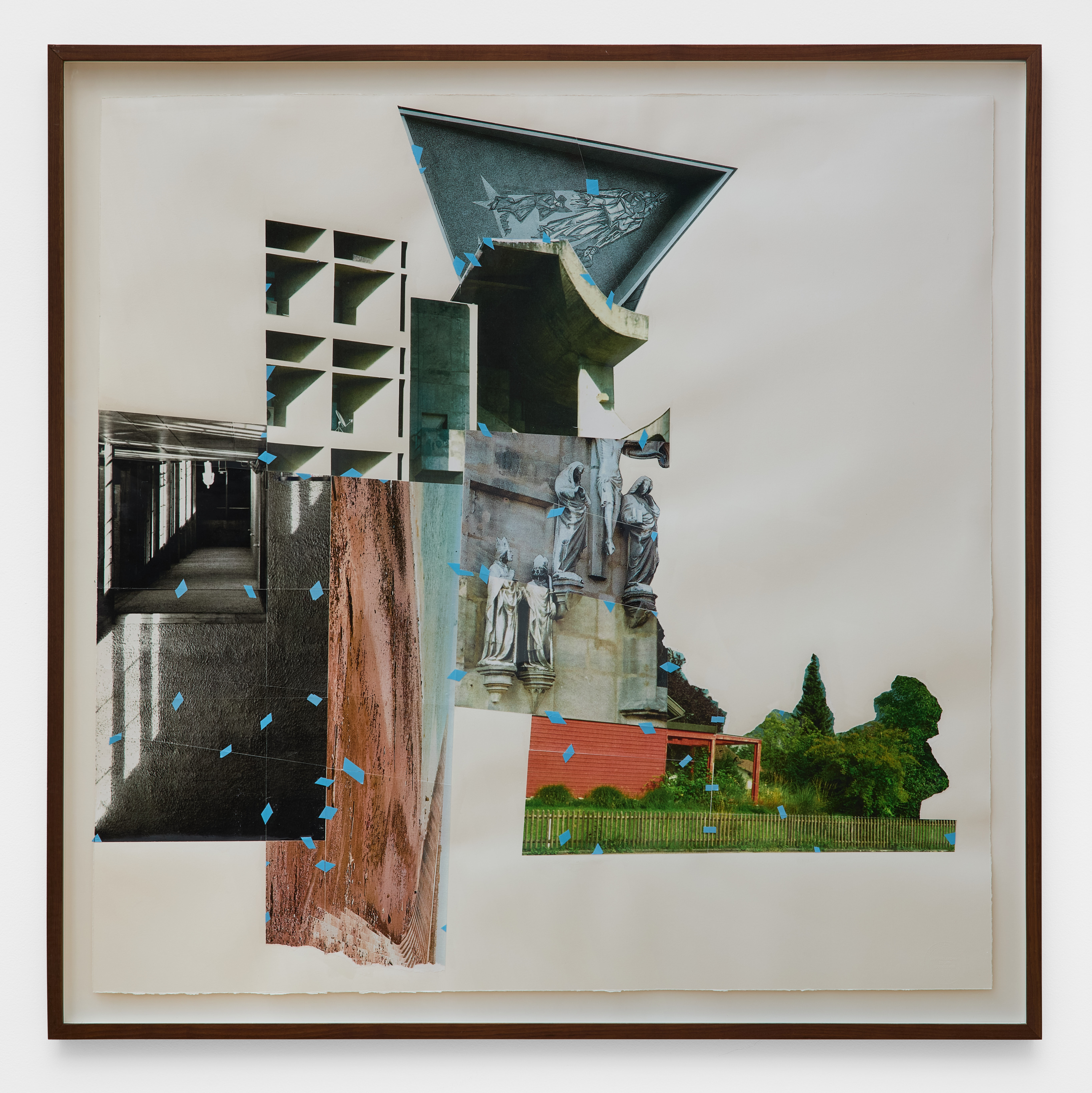
The Pier with a Lamp
2024 · Collage on archival paper · 36 × 36 in · Framed: 40 × 40 in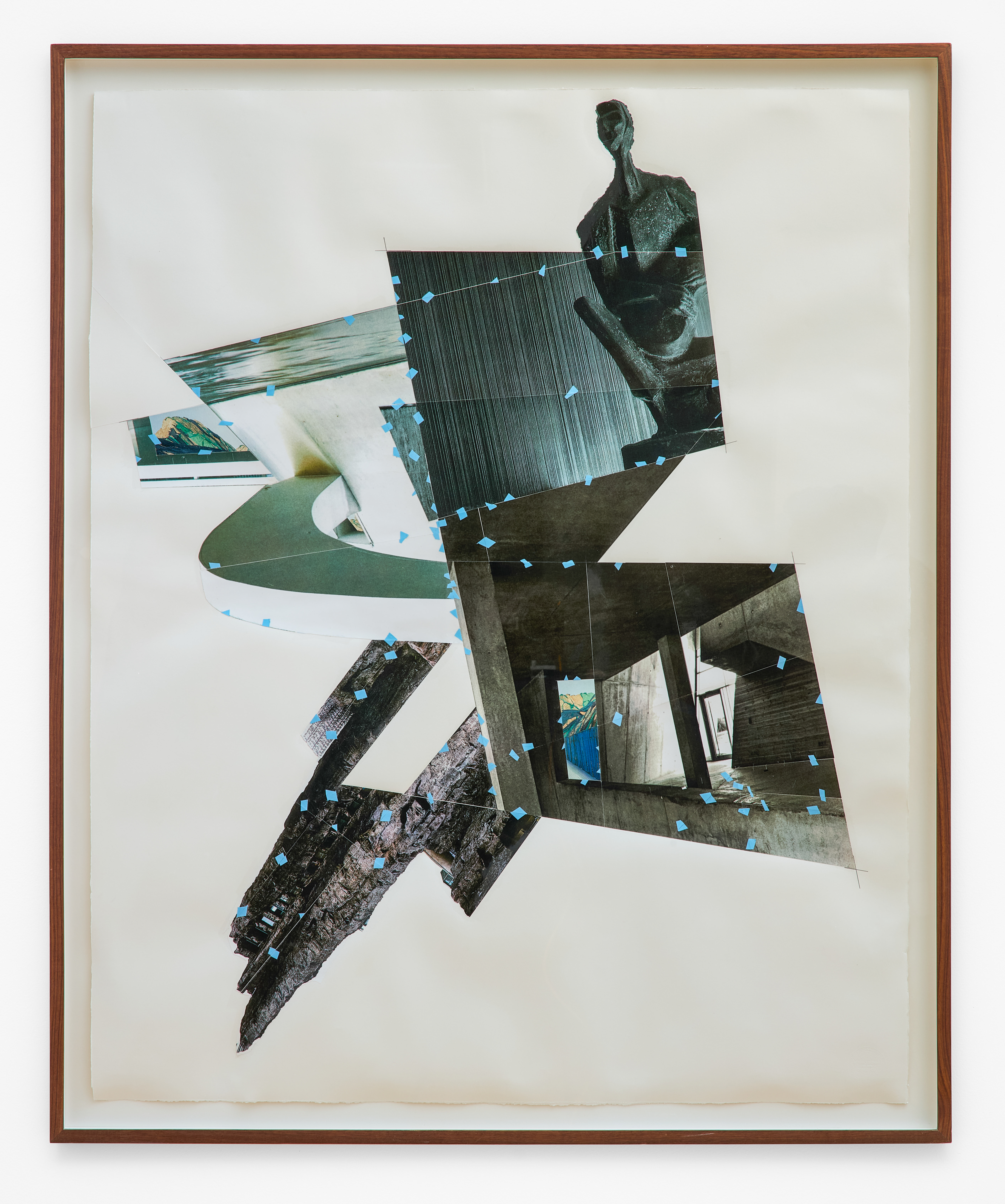
The Man on the Rack
2024 · Collage on archival paper · 46½ × 39 in · Framed: 49 × 40 in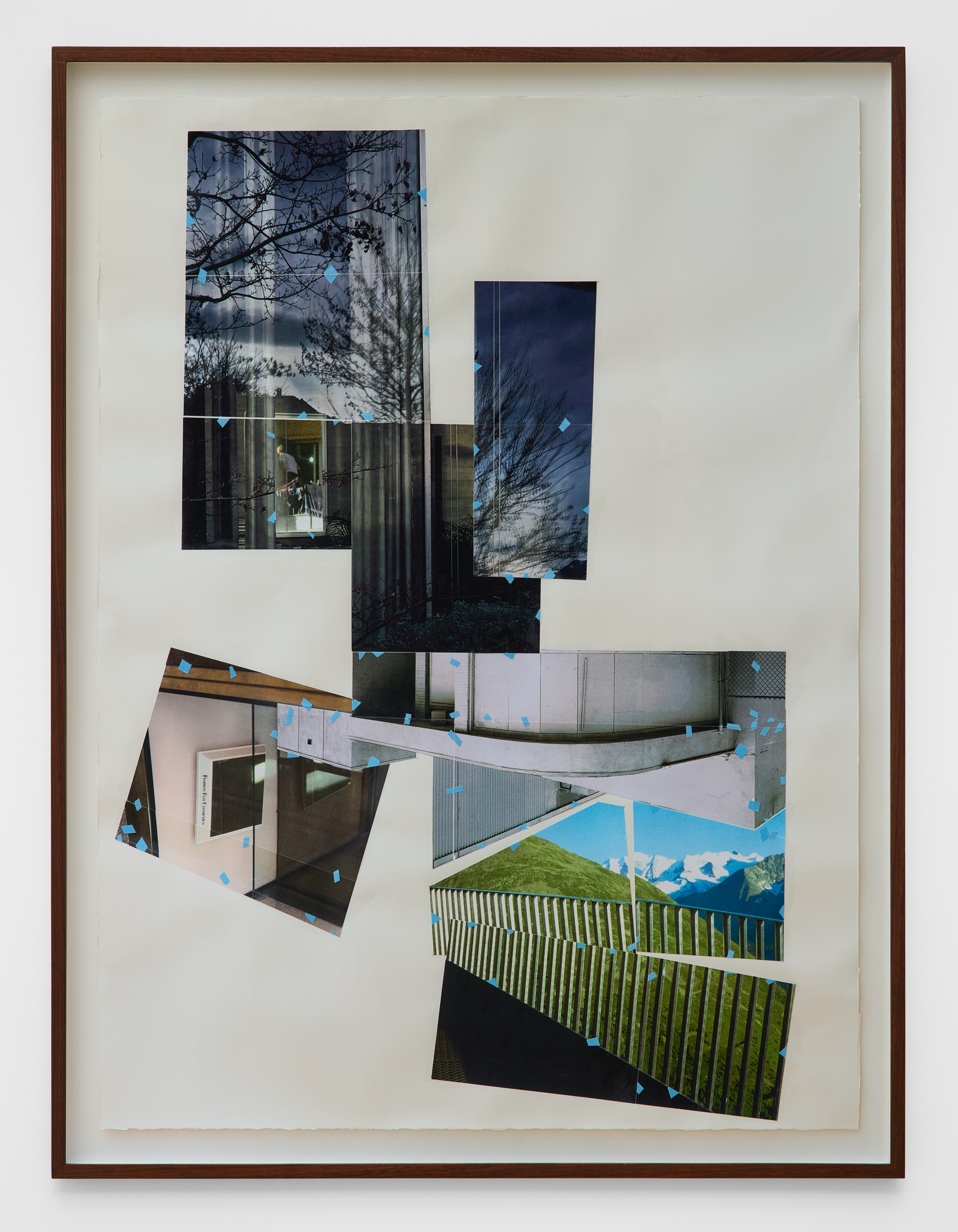
The Pier With Chains
2024 · Collage on archival paper · 44½ × 33 in · Framed: 49 × 37 in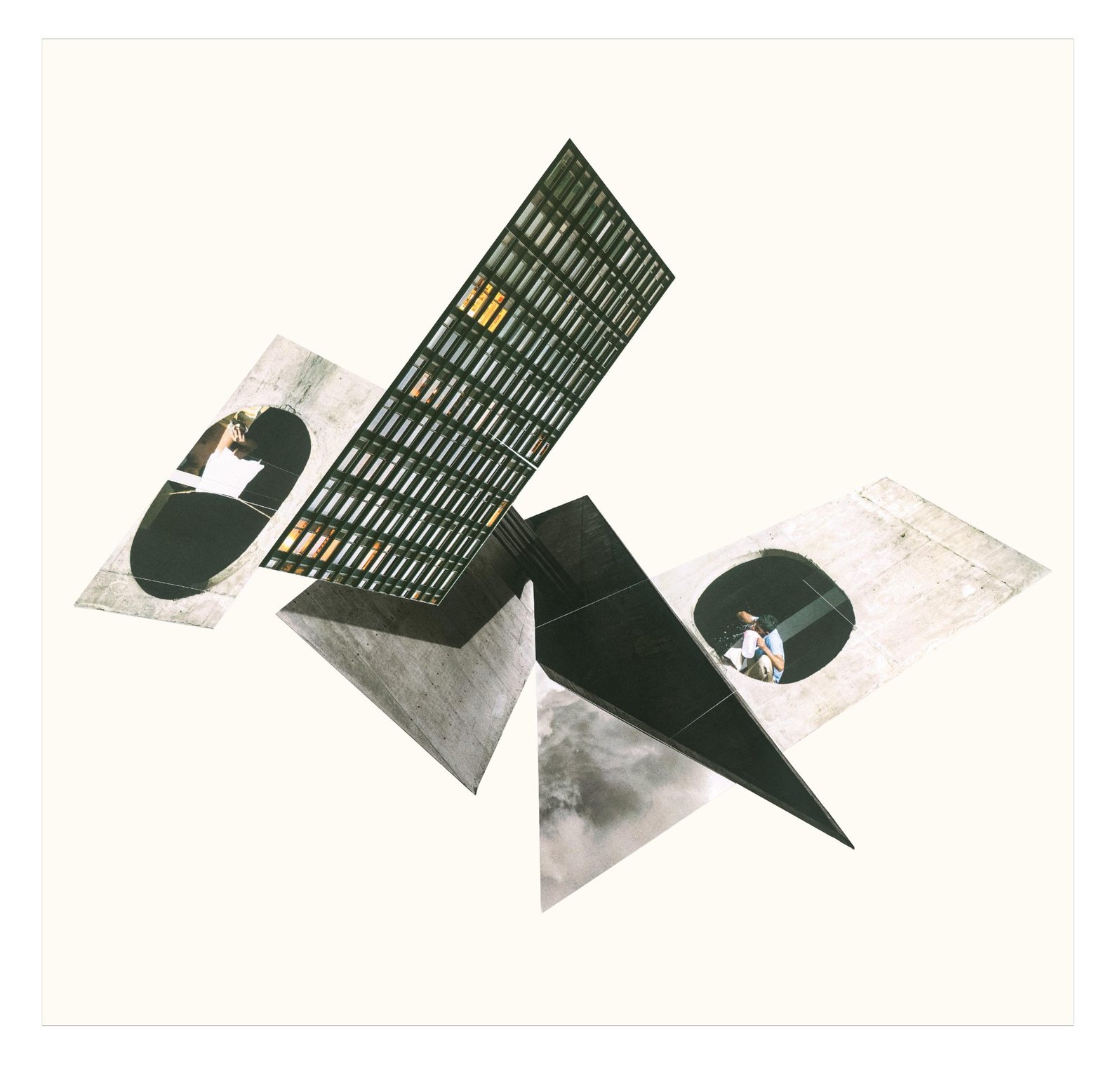
Prisoners on a Projecting Platform
2021 · Collage on archival paper · 42½ × 45 in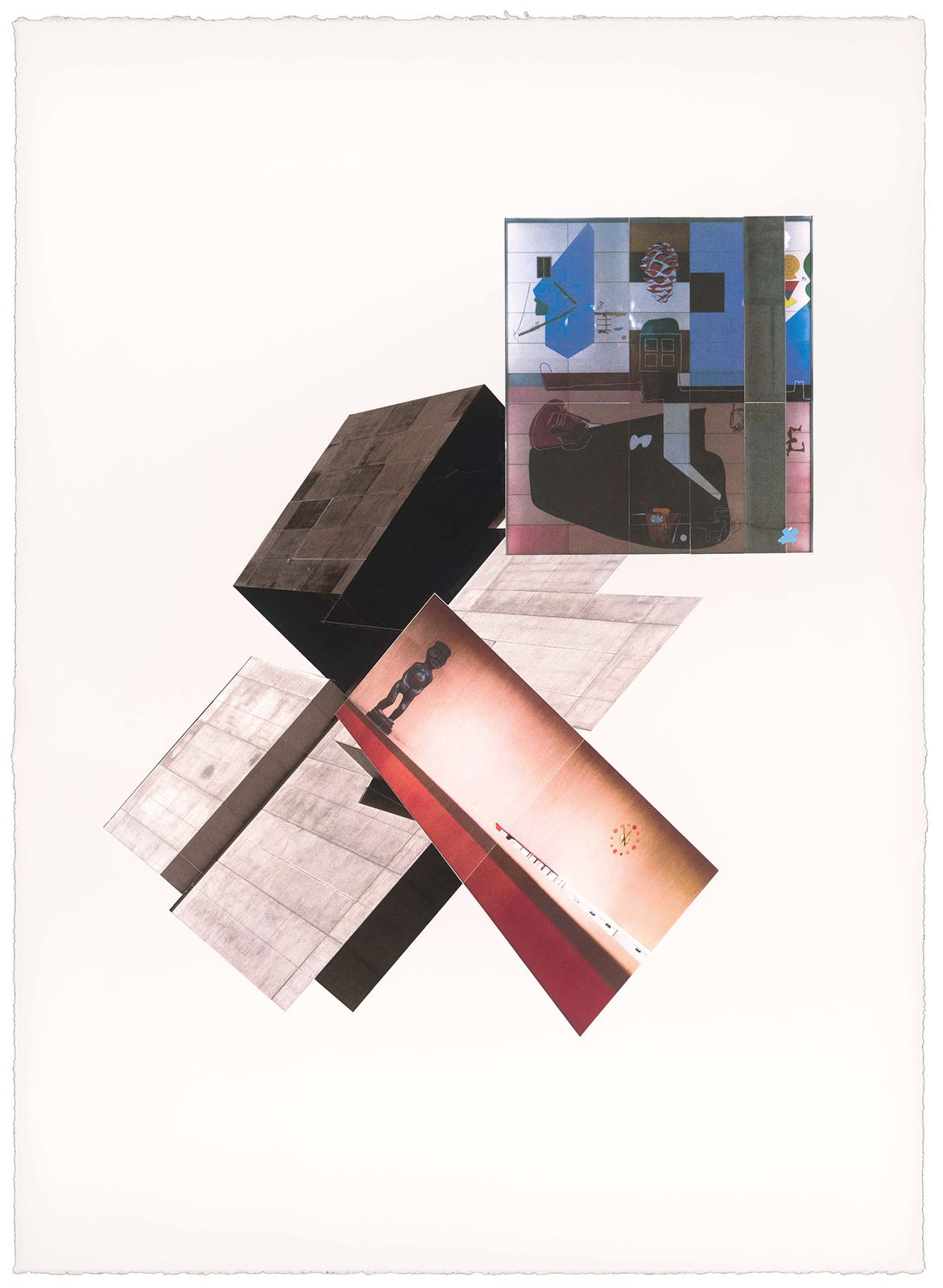
The Staircase with Trophies
2021 · Collage on archival paper · 44½ × 35¾ in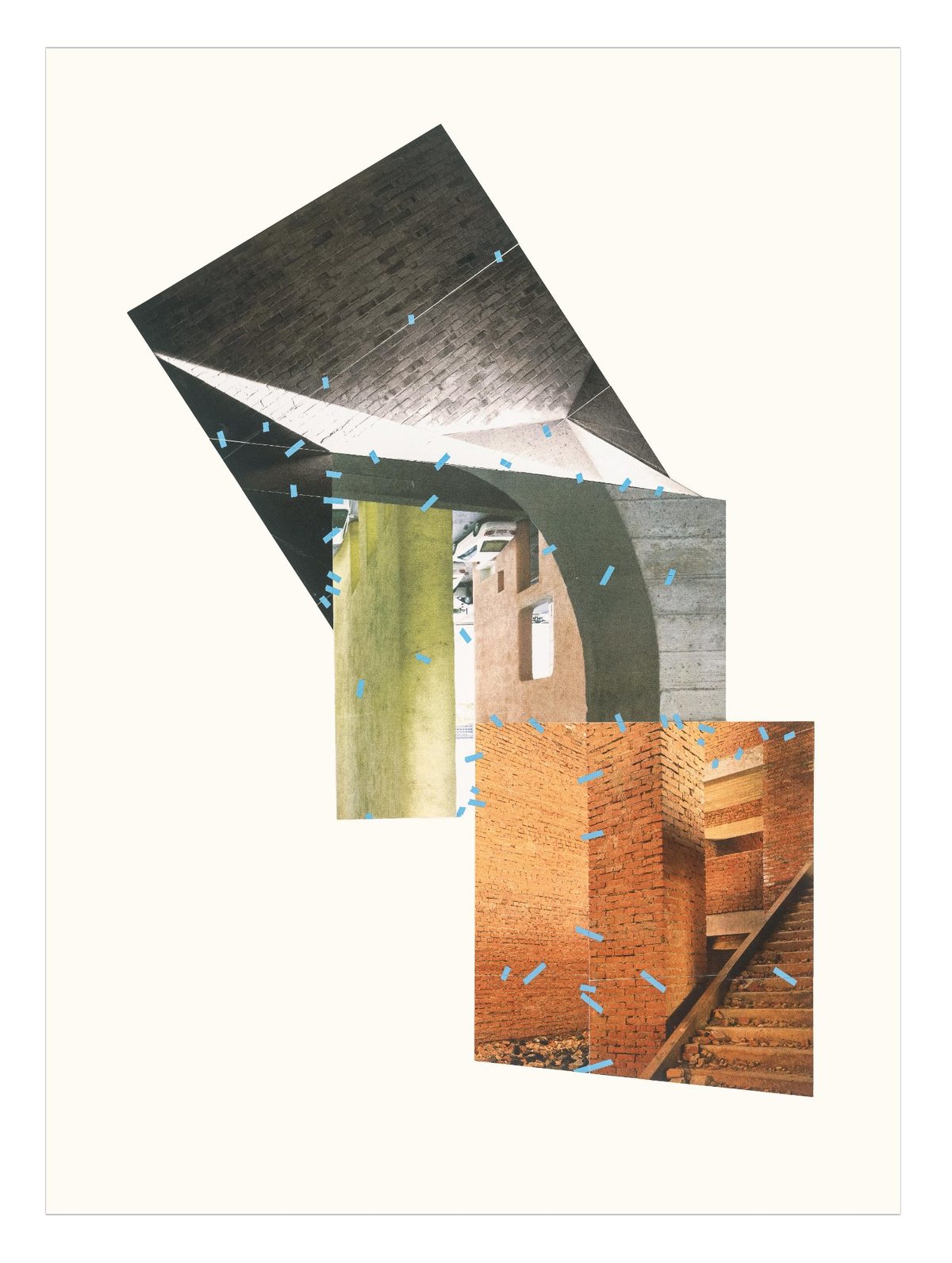
The Gothic Arch
2021 · Collage on archival paper · 45 × 33 in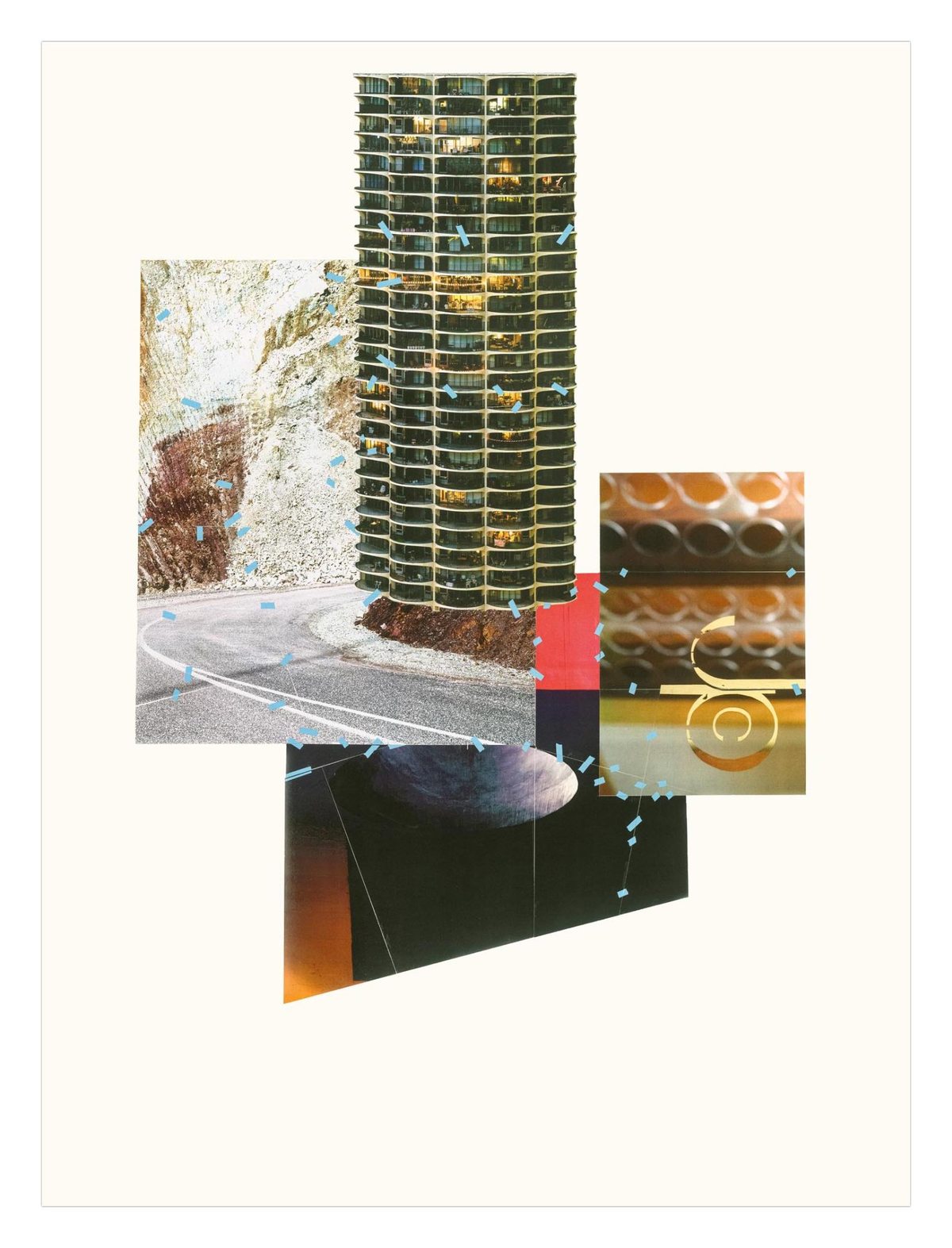
The Round Tower
2021 · Collage on archival paper · 44 × 33 in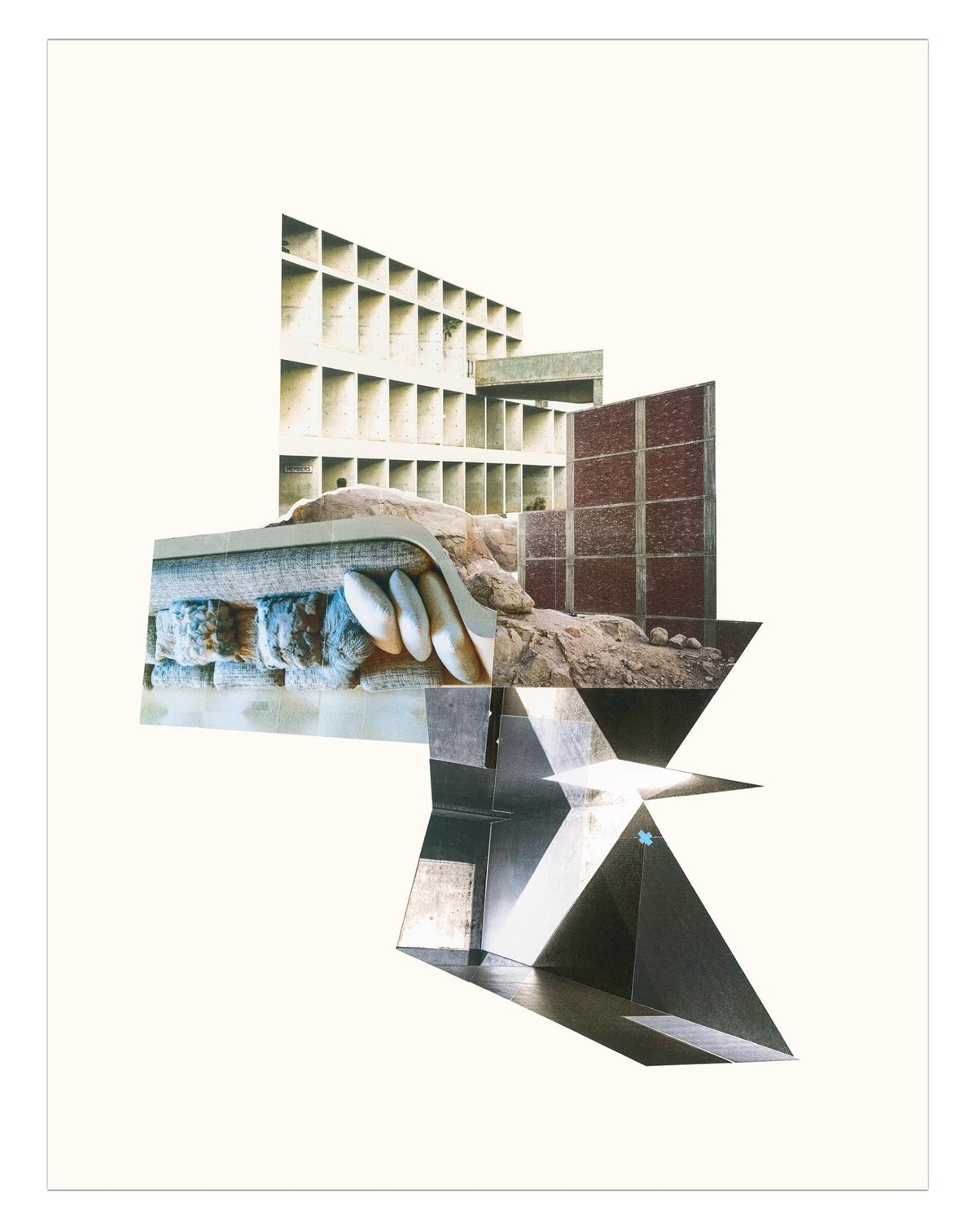
The Well
2021 · Collage on archival paper · 44¾ × 35¾ in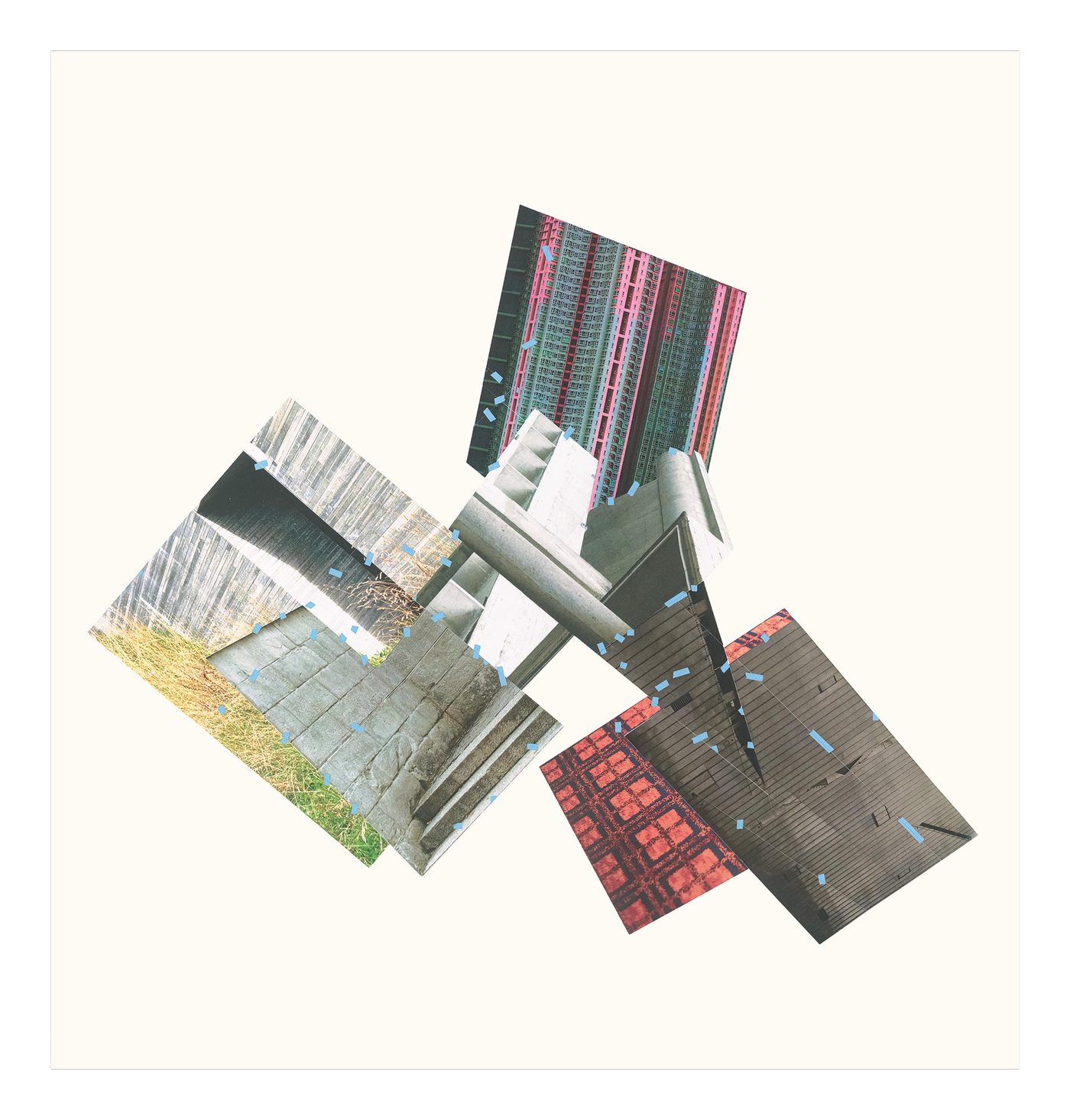
The Drawbridge
2021 · Collage on archival paper · 45 × 33 in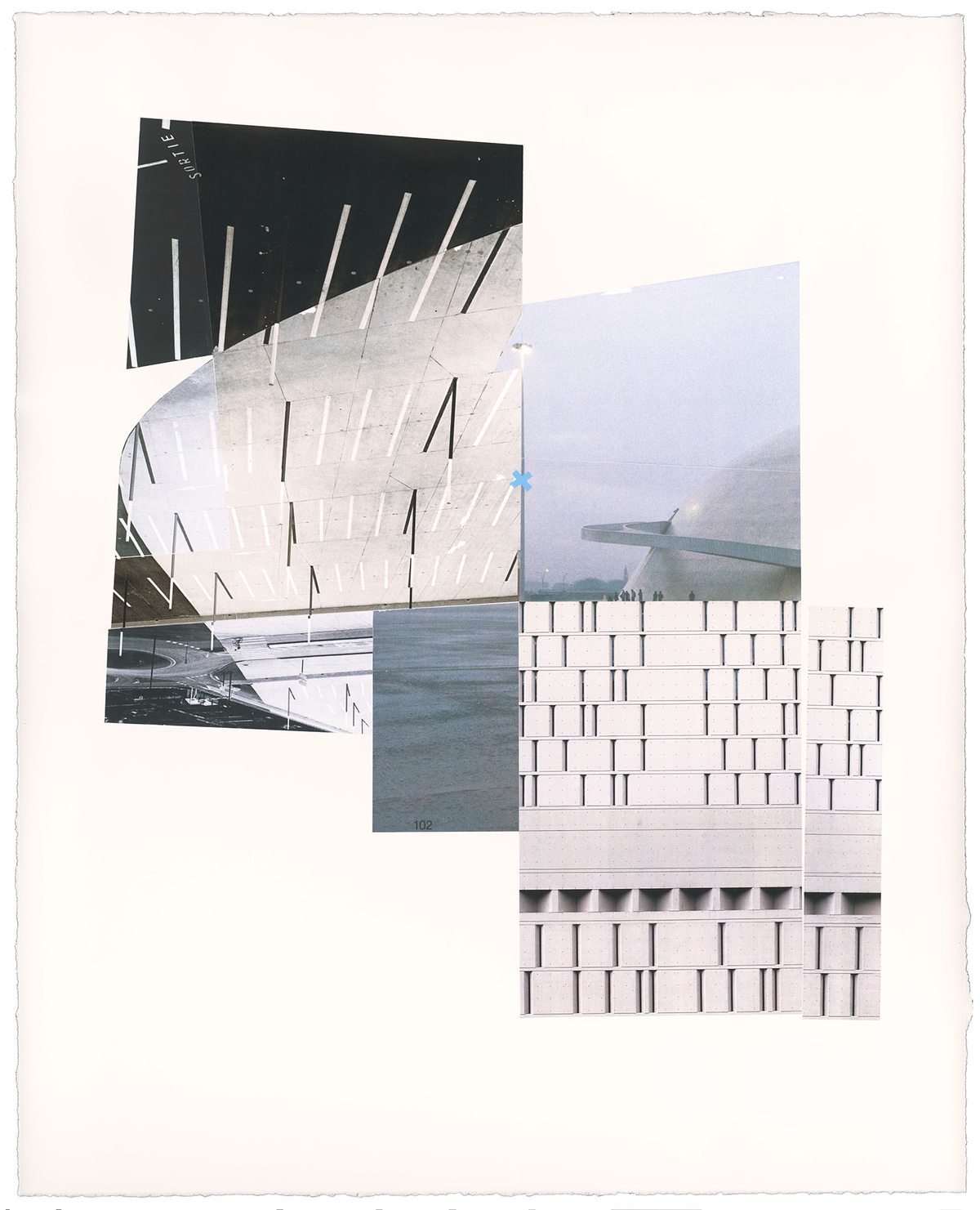
The Grand Piazza
2021 · Collage on archival paper · 44 × 36 in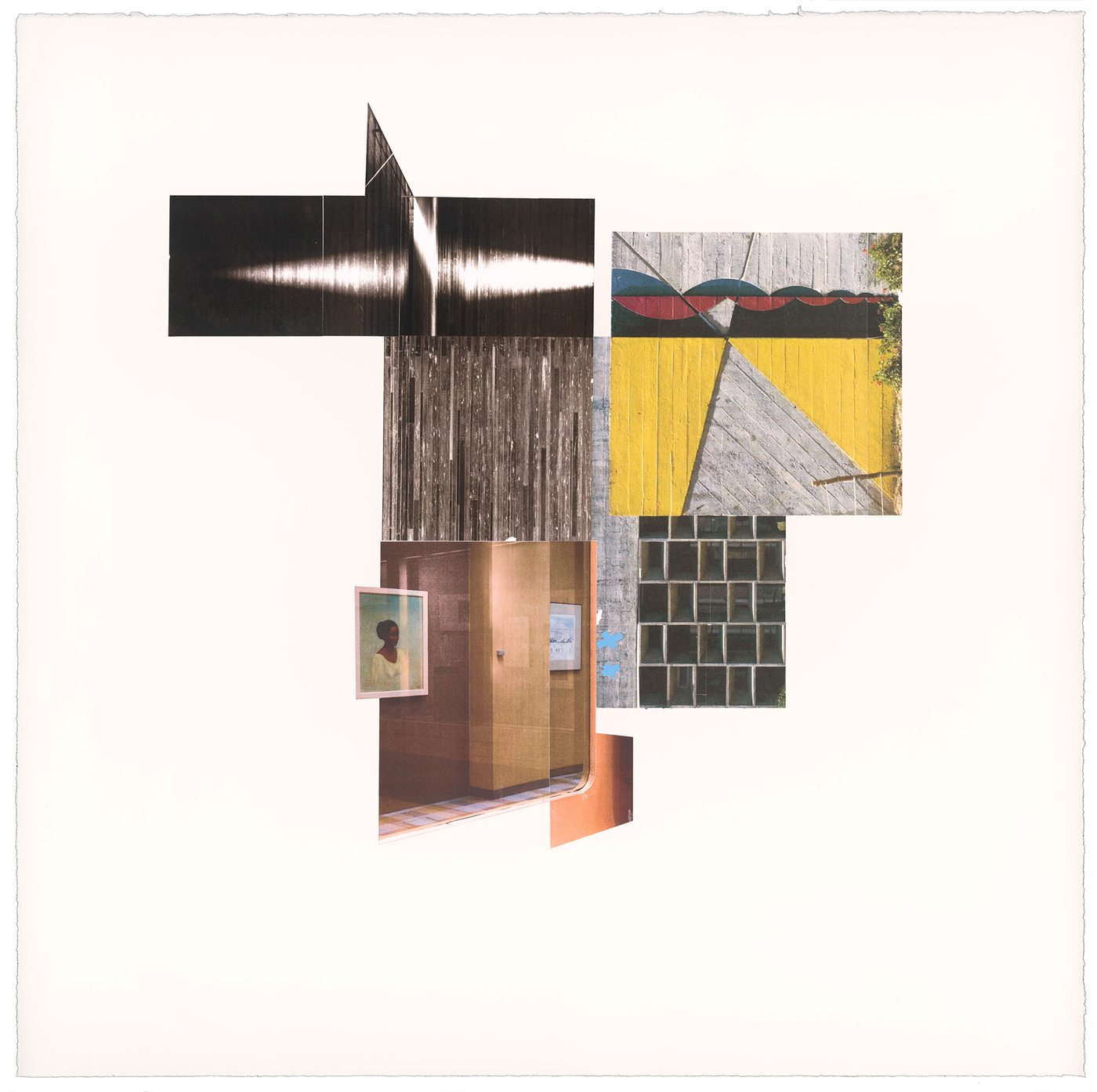
The Smoking Fire
2021 · Collage on archival paper · 36 × 36 inThese collages exist at the intersection of reality and uncertainty, portraying a city that could have been or might yet be. The source material is a series of technical documents created by the Berlin Senate Department for Urban Development in 1986, shortly before the city's unification. The maps project order by abstracting urban reality, reveling in precision and beauty to reassure us that we know enough to continue building in the face of constant uncertainty. Like Piranesi, who built his imaginary prisons from the ruins of Rome, I take maps as forums for dreaming and imagining — sheets of paper transformed by the act of collage into something altogether new.
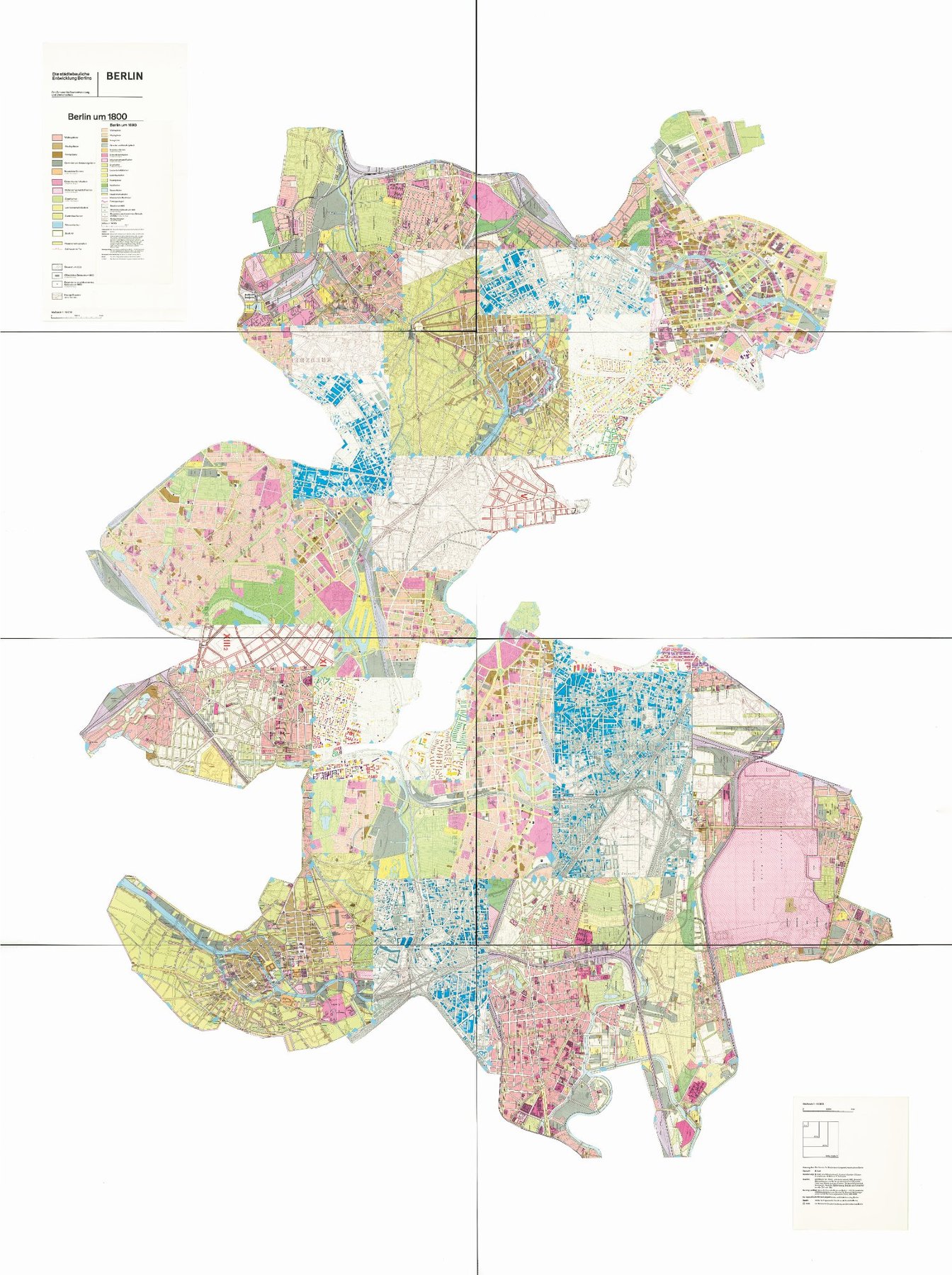
Piranesian Map of Berlin, ca. 1800–1690
2022 · Collage on gessoed board · 96 × 72 in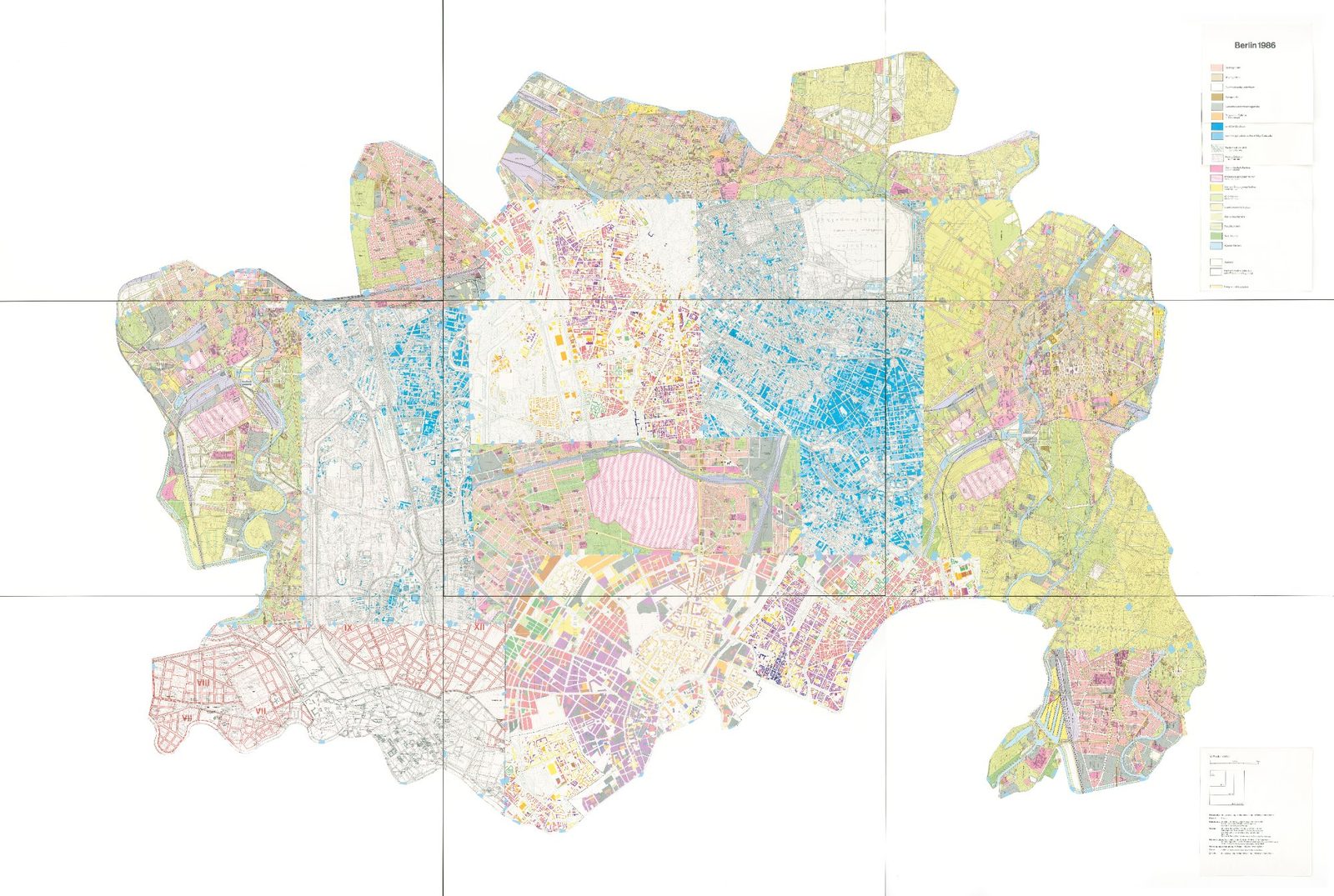
Piranesian Map of Berlin, ca. 1986
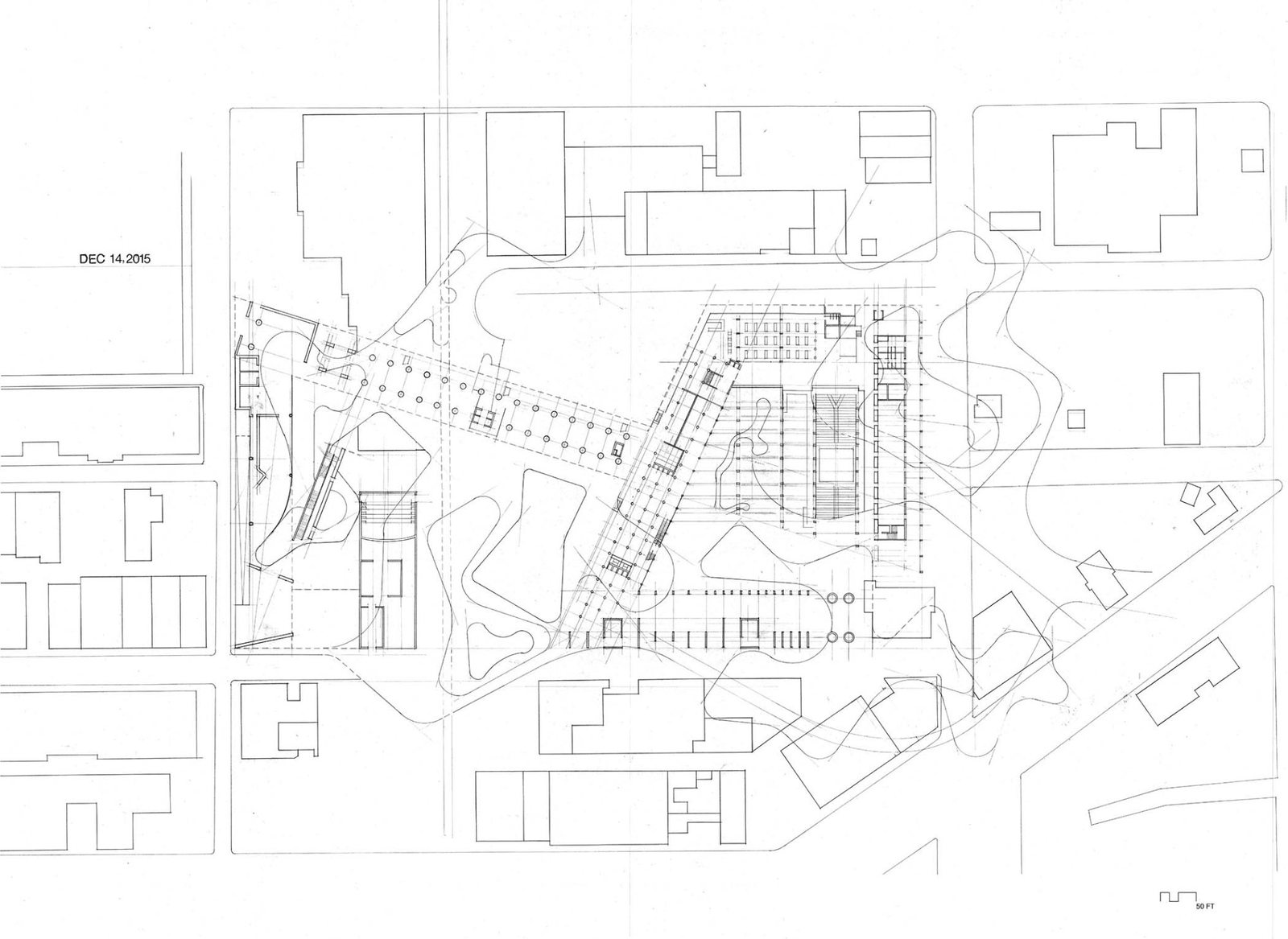
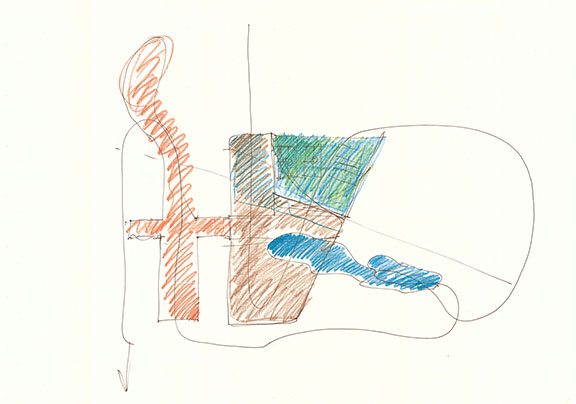
2022 · Collage on gessoed board · 72 × 108 inThe Dequindre Civic Academy is a three-million-square-foot institution bridging Detroit's Dequindre Cut — a city within the city, dedicated to the education, well-being, and future of Detroit's children. Conceived as the physical manifestation of America's motto, E pluribus unum, the project imagines civic architecture at a scale commensurate with the ambition of the people it serves.
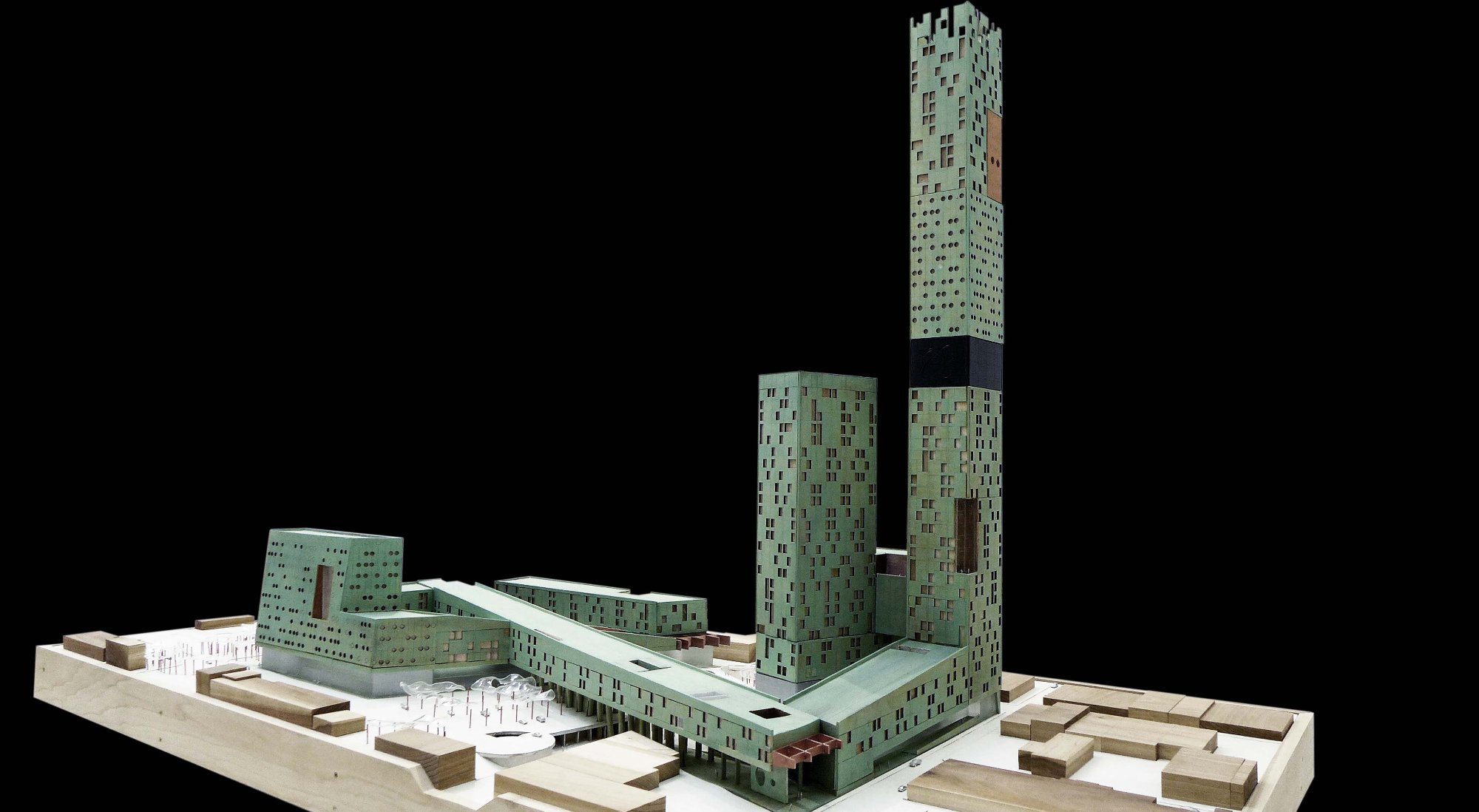
Architecture · Urban Design
Dequindre Civic Academy
A speculative civic institution for Detroit bridging the Dequindre Cut greenway. Developed through collage, architectural drawing, models, and video, the project integrates the formal logic of collage with architectural scale — the same method applied across my entire practice, from hand-cut paper to three million square feet.
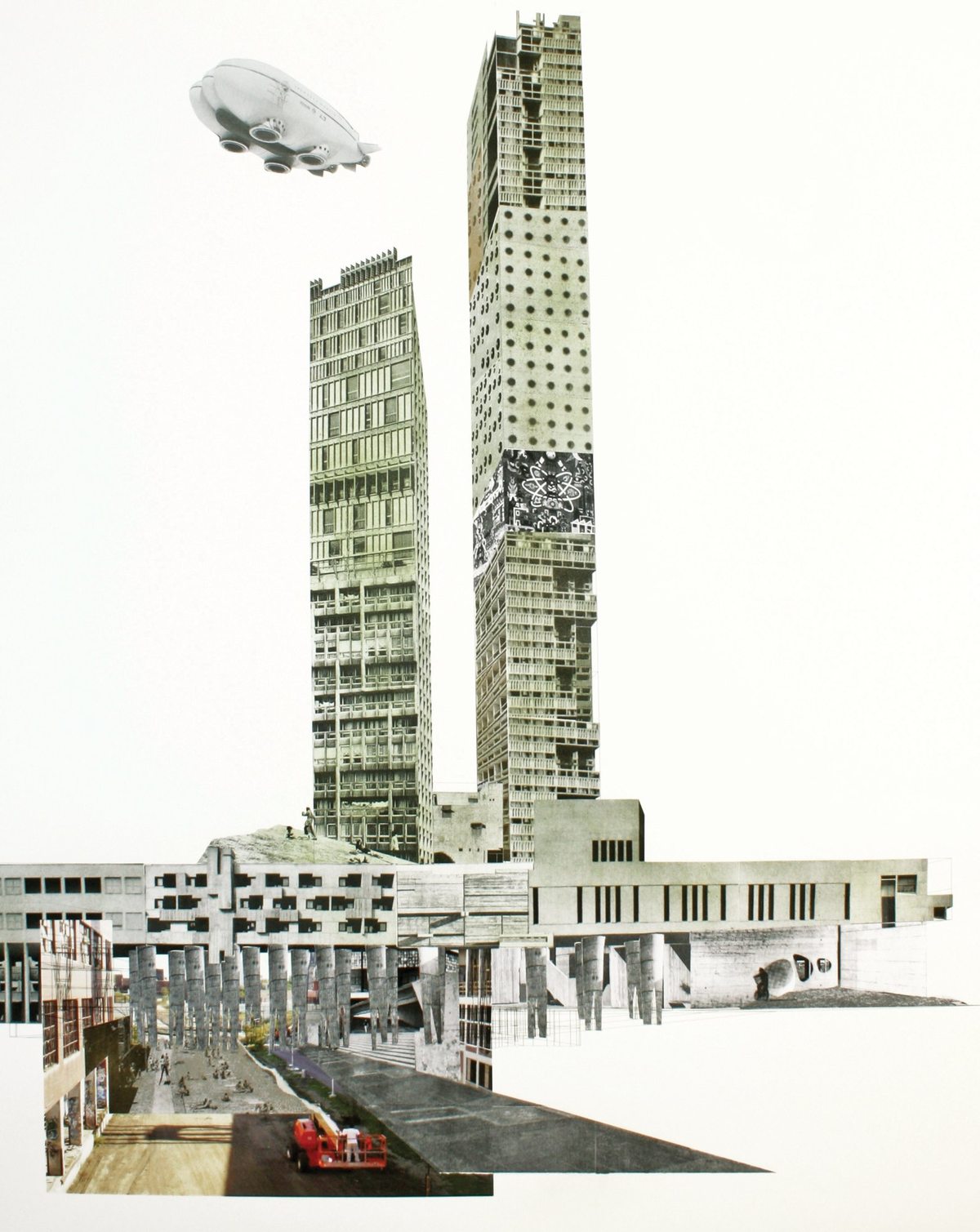
Collage
Dequindre Civic Academy
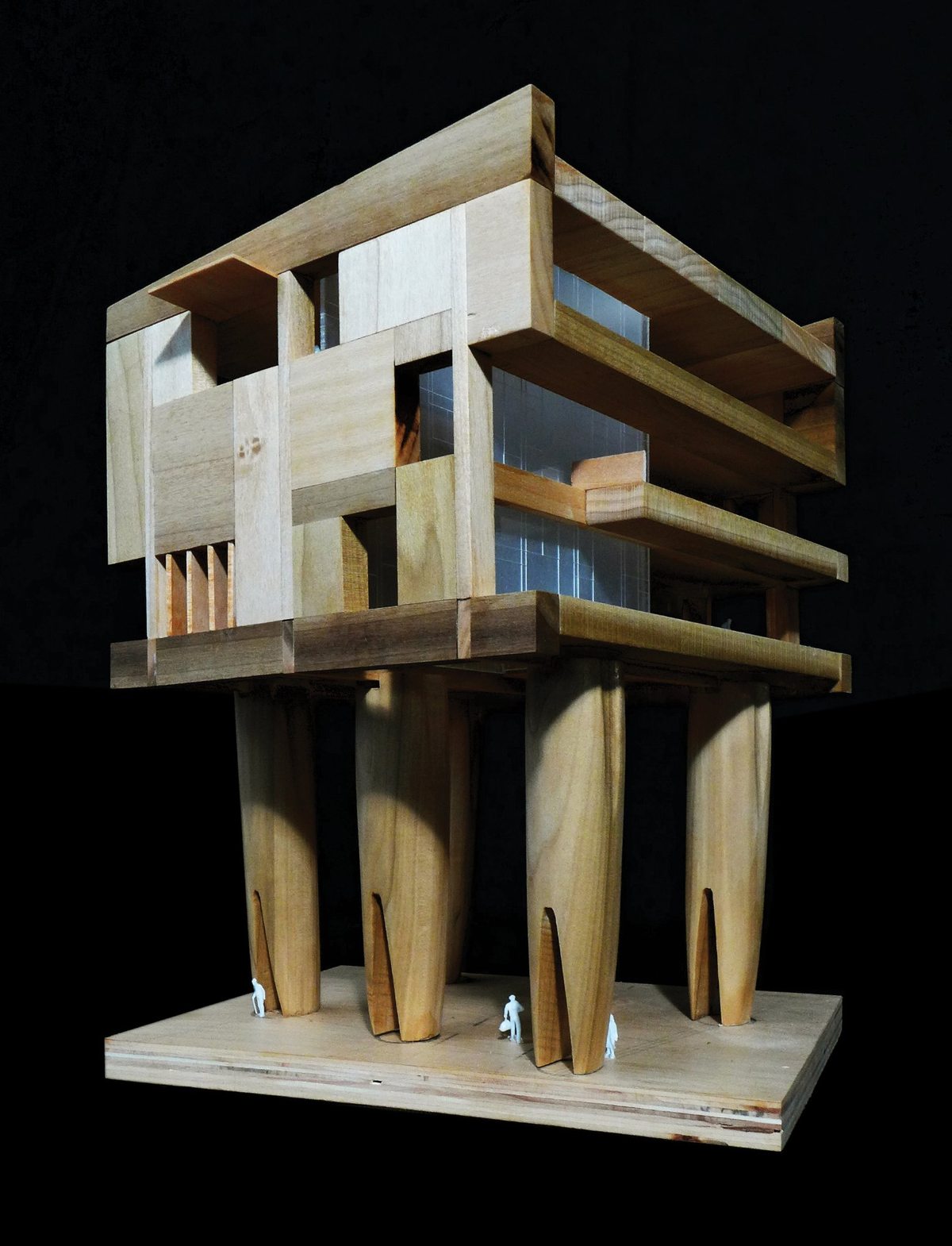
Model
Section Model
Drawing
Site Plan
Sketch
Conceptual Study
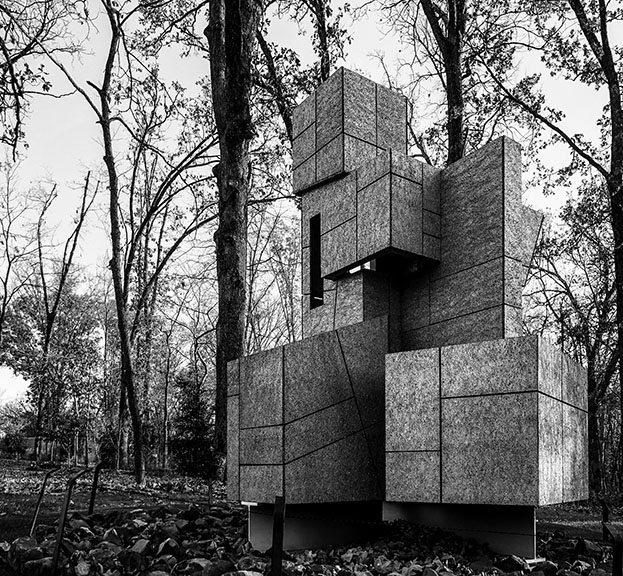
Ziggurat is a large-scale architectural structure — commissioned by the Arts Club of Chicago and now in the permanent collection of Crystal Bridges Museum of American Art — composed from the buildings of Frank Gehry, Peter Eisenman, and Zaha Hadid. The work makes explicit what architecture typically obscures: that influence is unavoidable, and that acknowledging it produces something genuinely new.
Architecture · Built Work
Ziggurat
In 2016 I chose a single collage from my Chimera series as source material for Ziggurat, a garden folly for the Arts Club of Chicago. The referent collage fuses elements from Peter Eisenman's Koizumi Sangyo Corporation Headquarters, Frank Gehry's Schnabel House, and Zaha Hadid's Rosenthal Center for Contemporary Art. From concept through construction, Ziggurat is a demonstration of collage as a generative technique and a conceptual framework in architecture. Each collage in the Chimera series incorporates a minimum of three image fragments cut from photographs of different buildings. Pieces never overlap, which necessitates the obsessive construction of seams. The identity of the architectural samples matters less than their potential for productive unions. Ziggurat is clad in aluminum foam panels chosen for their ambiguous expression — metal with the texture of stone — and is now in the permanent collection of Crystal Bridges Museum of American Art.
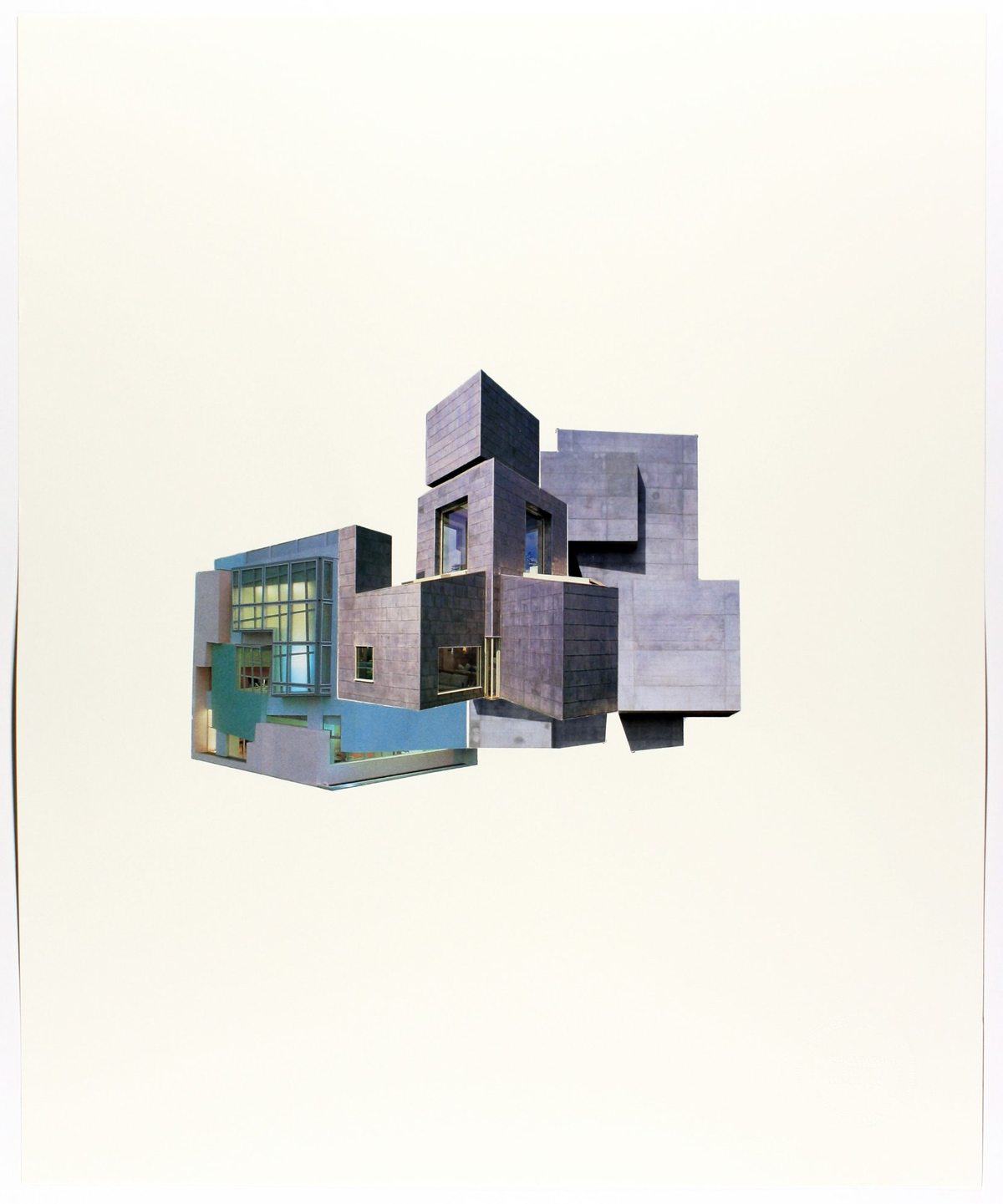
Source Collage
Ziggurat
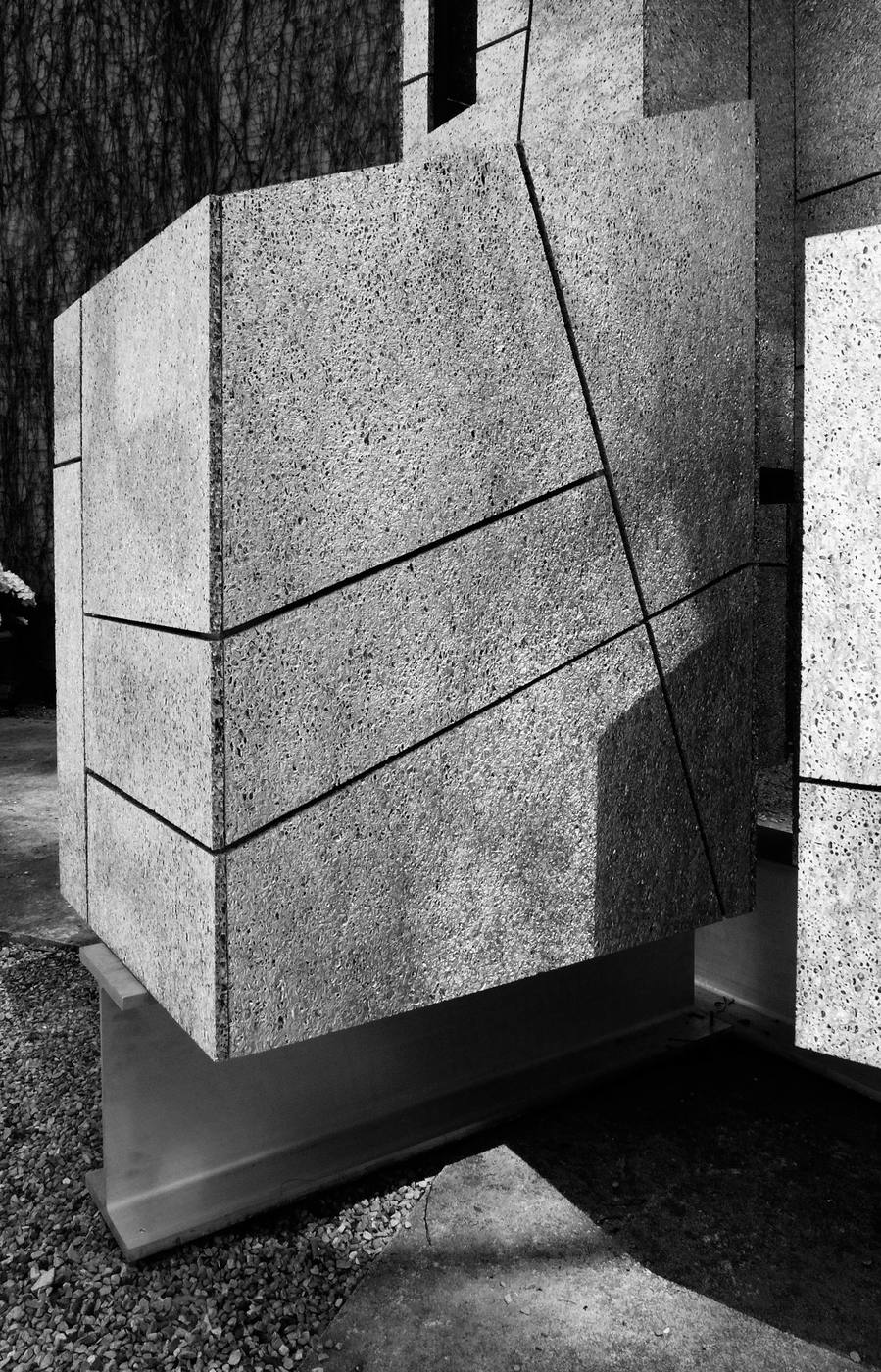
Detail
Surface Composition
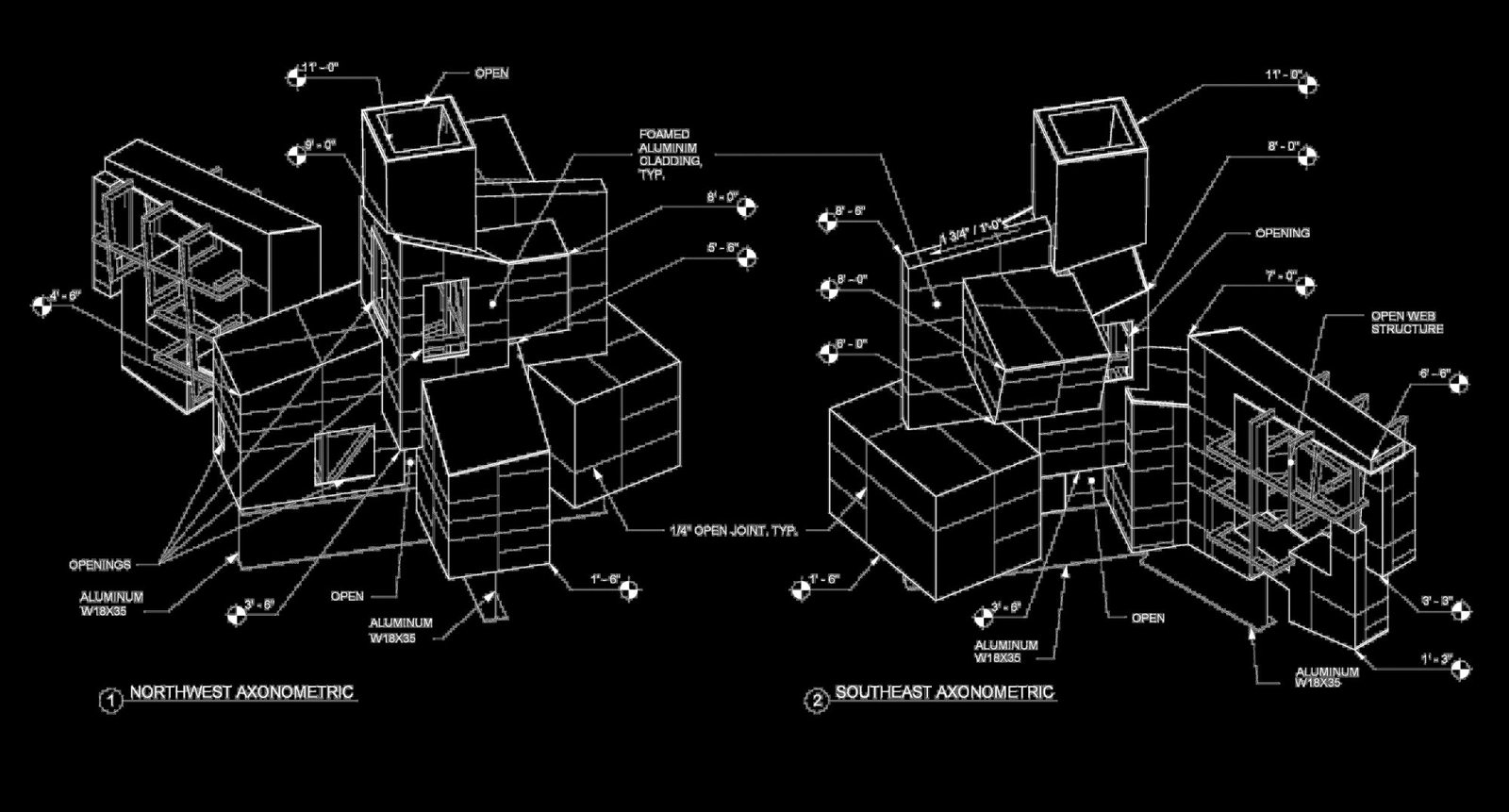
Drawing
NW & SE Axonometrics
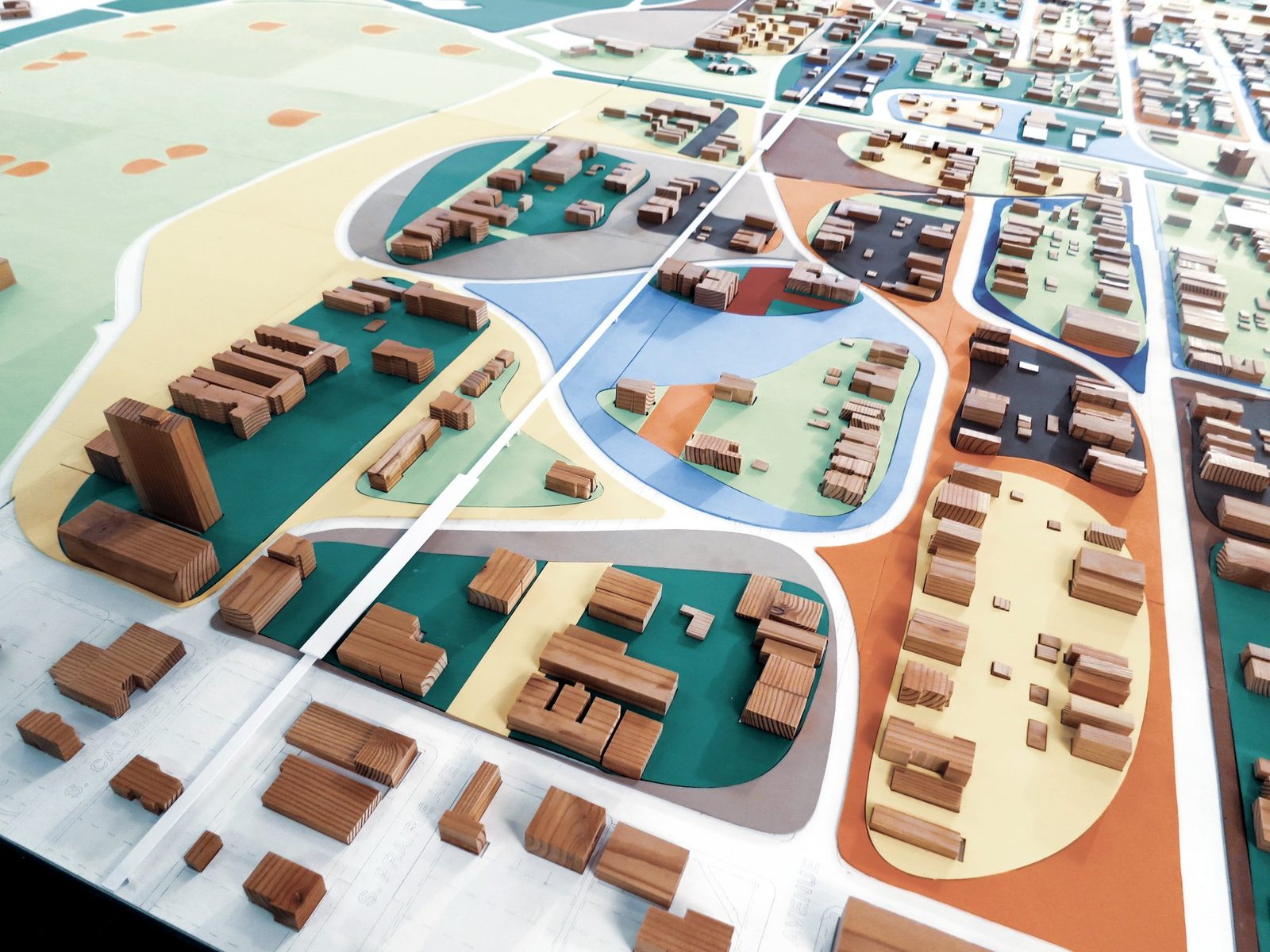
Smooth Growth Urbanism is a long-term urban design project for the South Side of Chicago that challenges the assumption that cities must always construct new buildings and strive for high population density. Developed since 2012 with Graham Foundation support, it proposes a framework for designing in cities that have experienced deindustrialization and population decline — a counter-model to the urban growth consensus.
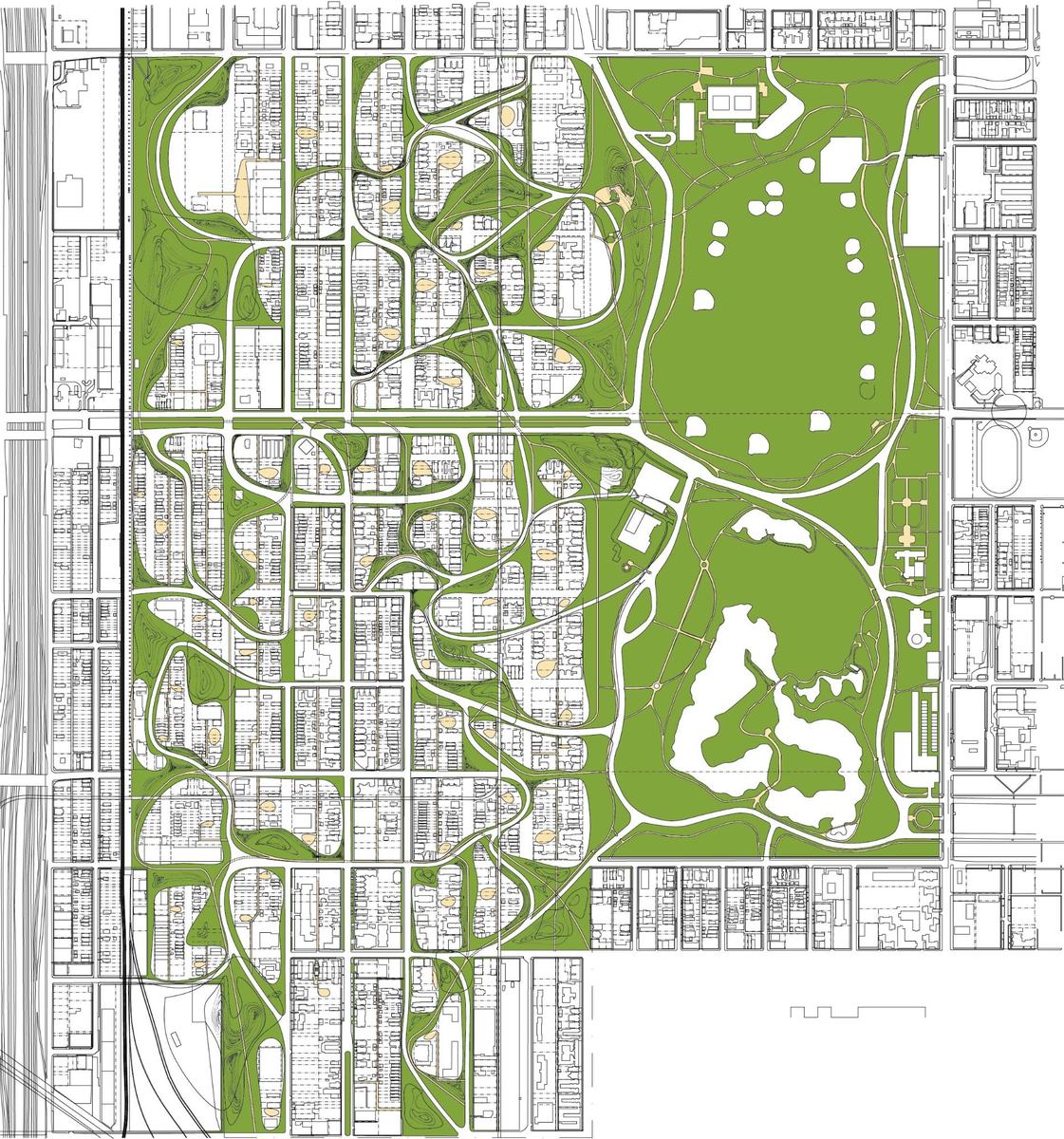
Smooth Growth Plan for Washington Park
Smooth Growth challenges the received wisdom of urban planning — that density is always the goal, that construction is always the answer. Working with the specific conditions of post-industrial Chicago, the project develops an alternative vocabulary: distributed programs, adaptive reuse, managed vacancy, and civic infrastructure at human scale.
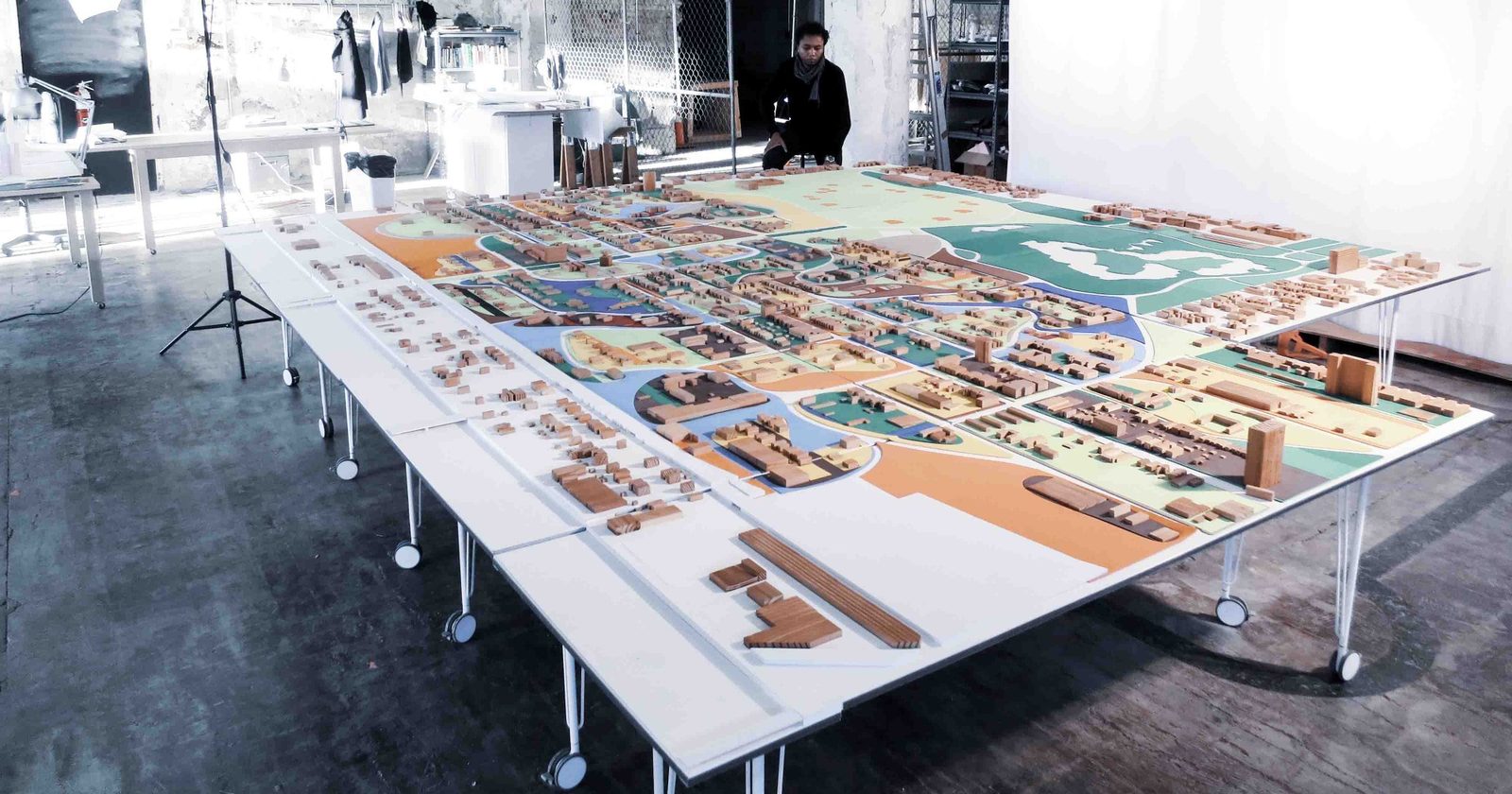
Model
Smooth Growth Washington Park Model
Model
Smooth Growth Microregions
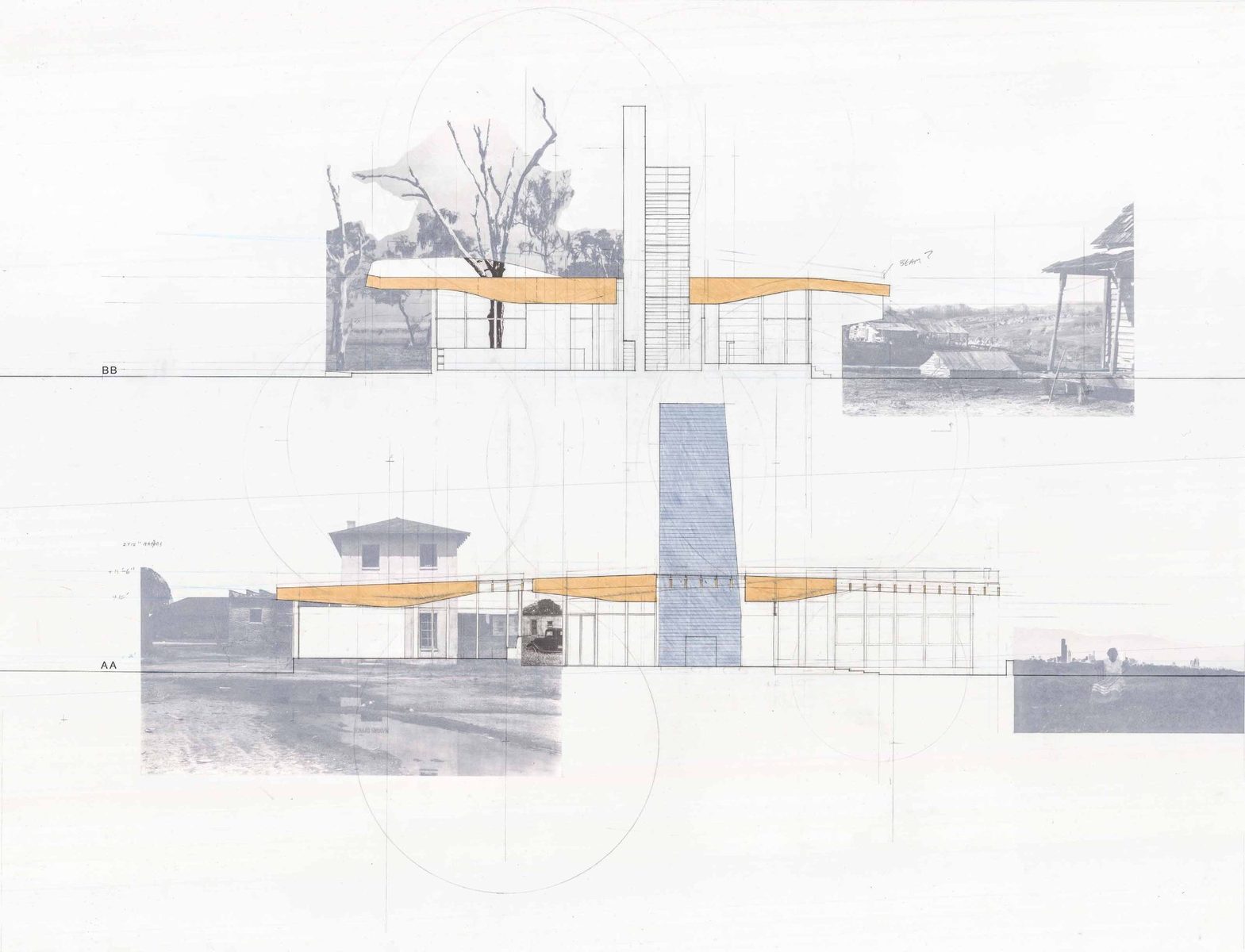
Drawing
Smooth Growth House Sections
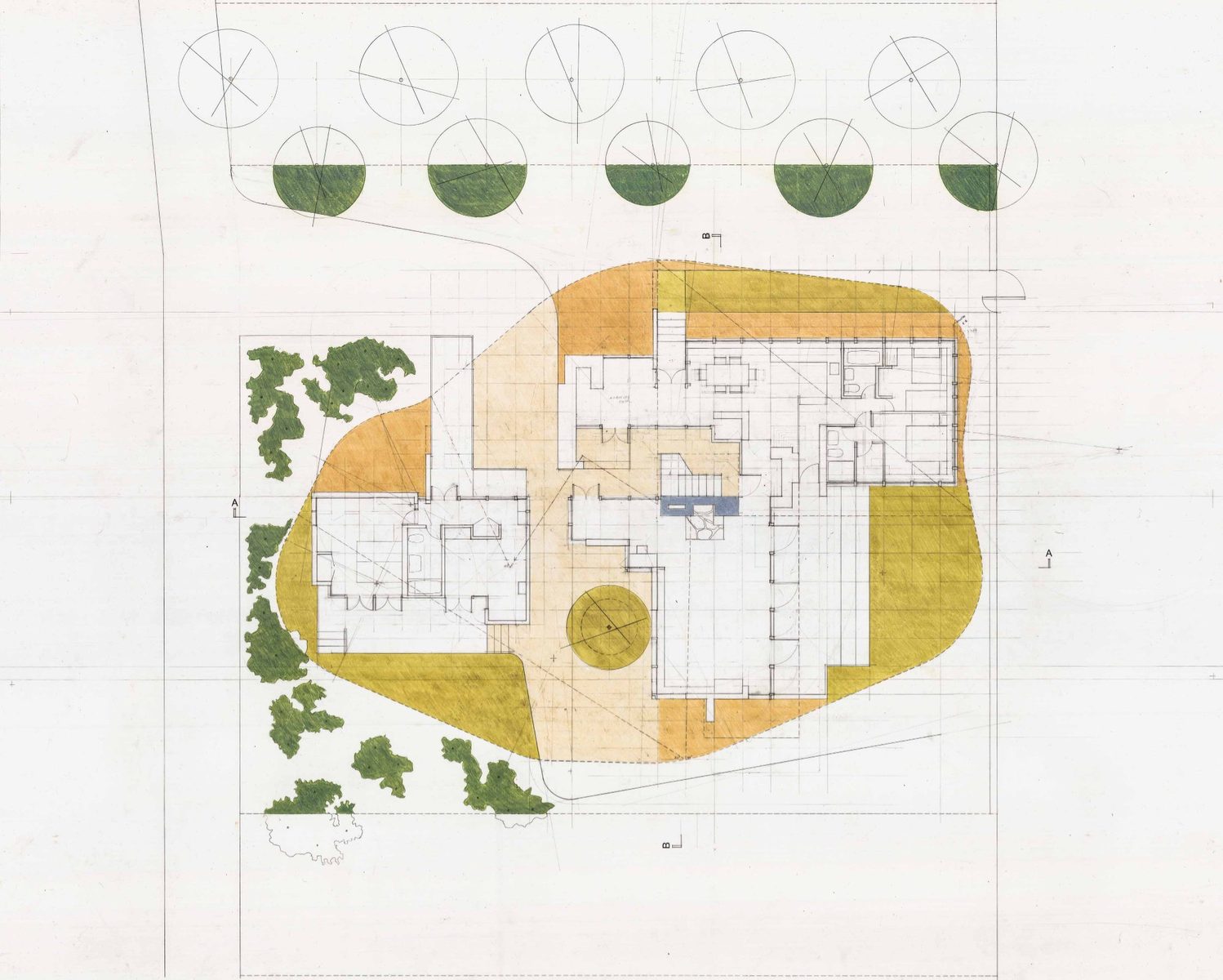
Drawing
Smooth Growth House Plan
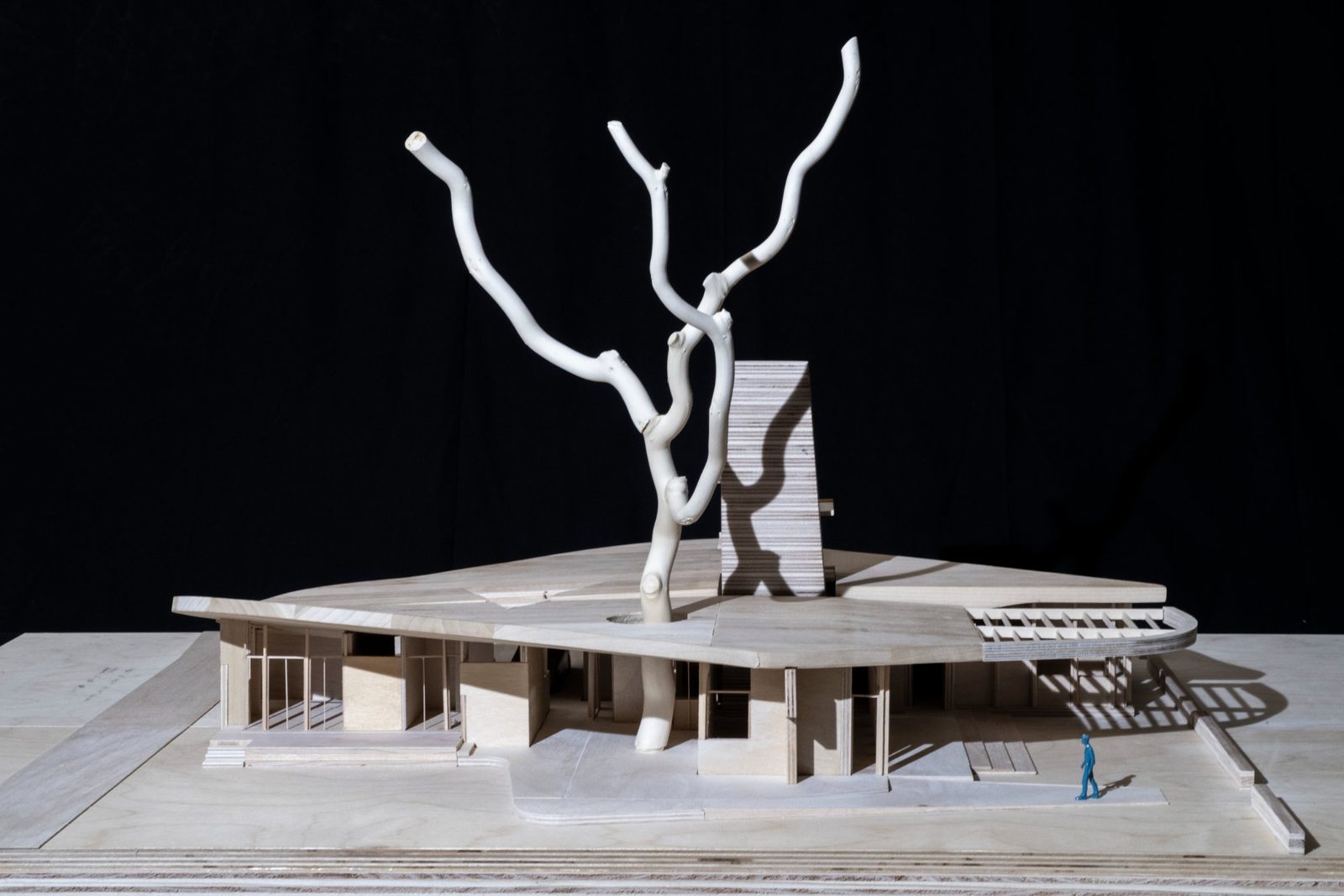
Model
Smooth Growth House Prototype
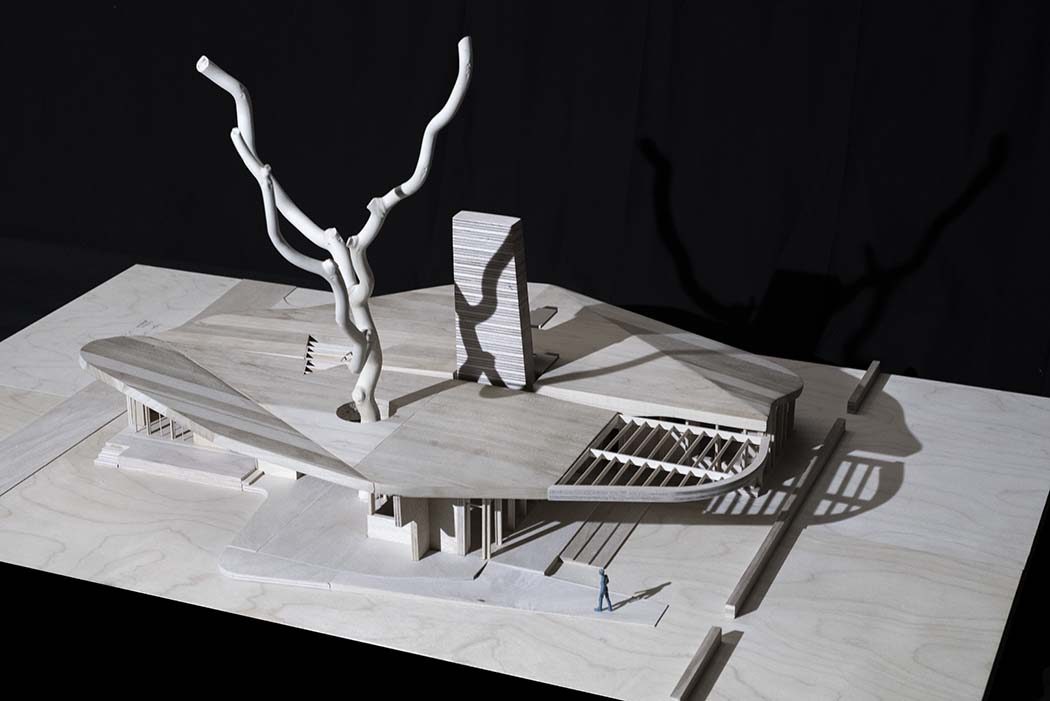
Model
Smooth Growth House Prototype
The title, borrowed from French poet Arthur Rimbaud, translates roughly to "I is another," which speaks to my rejection of purist or reductionist worldviews. In this series, image fragments are selected, hand-cut directly from books, and reassembled to create new spaces and narratives. This body of work samples imagery from photographs taken by significant figures during the golden age of post-war architectural photography when Julius Shulman, Lucien Hervé, and Ezra Stoller used high contrast black and white photography to emphasize forms.
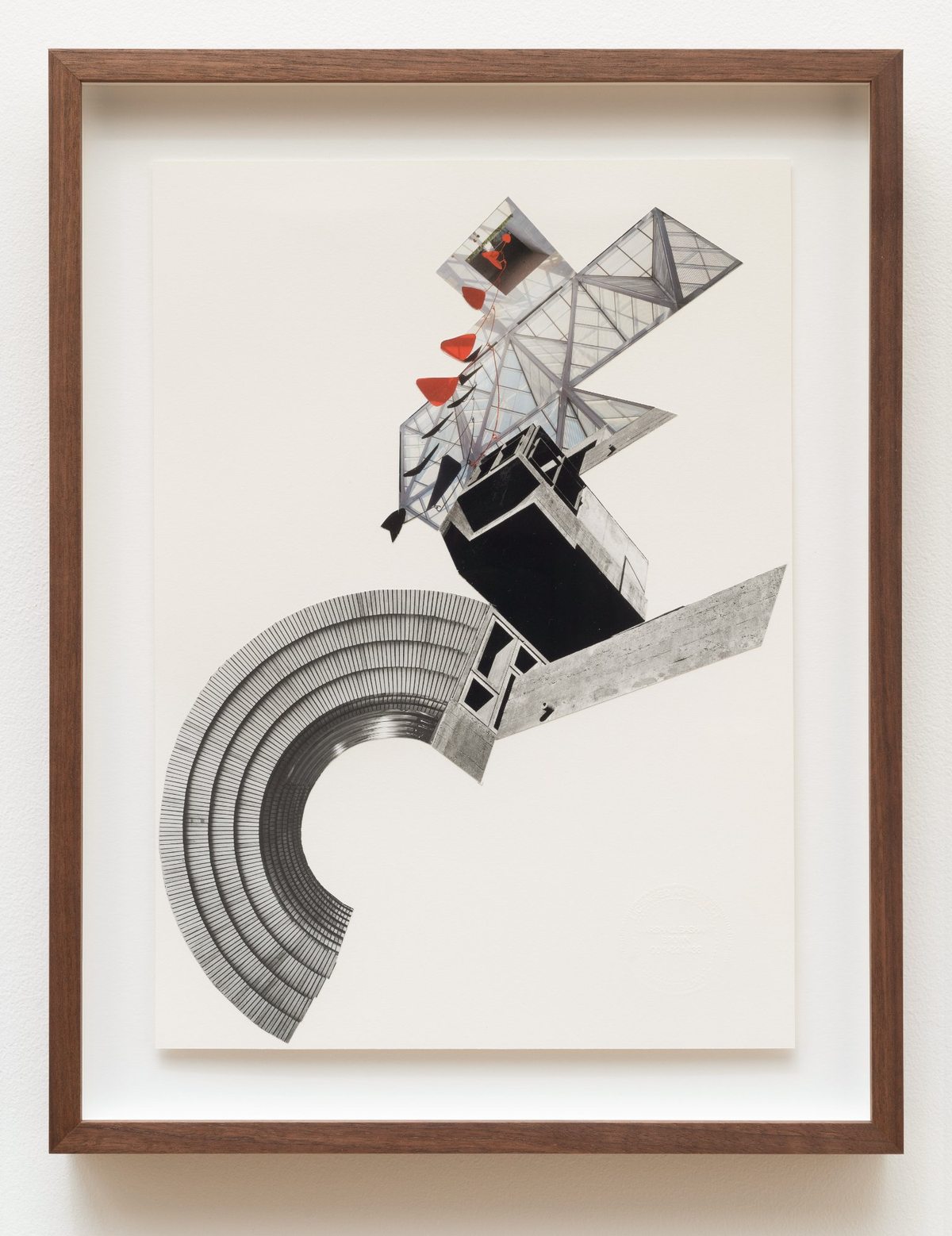
Error as Hidden Intention
2019 · Collage on archival paper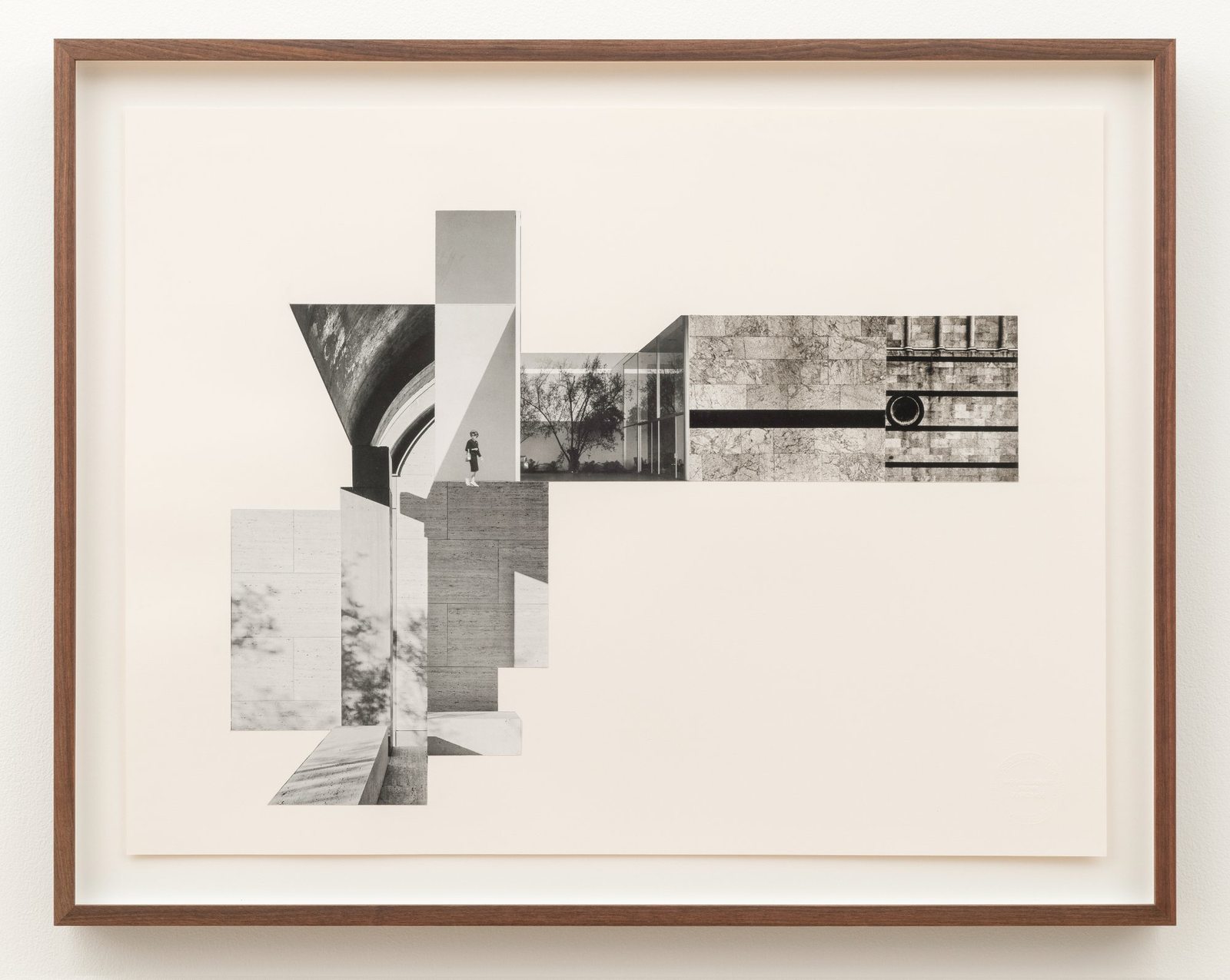
A Part Not the Whole
2019 · Collage on archival paper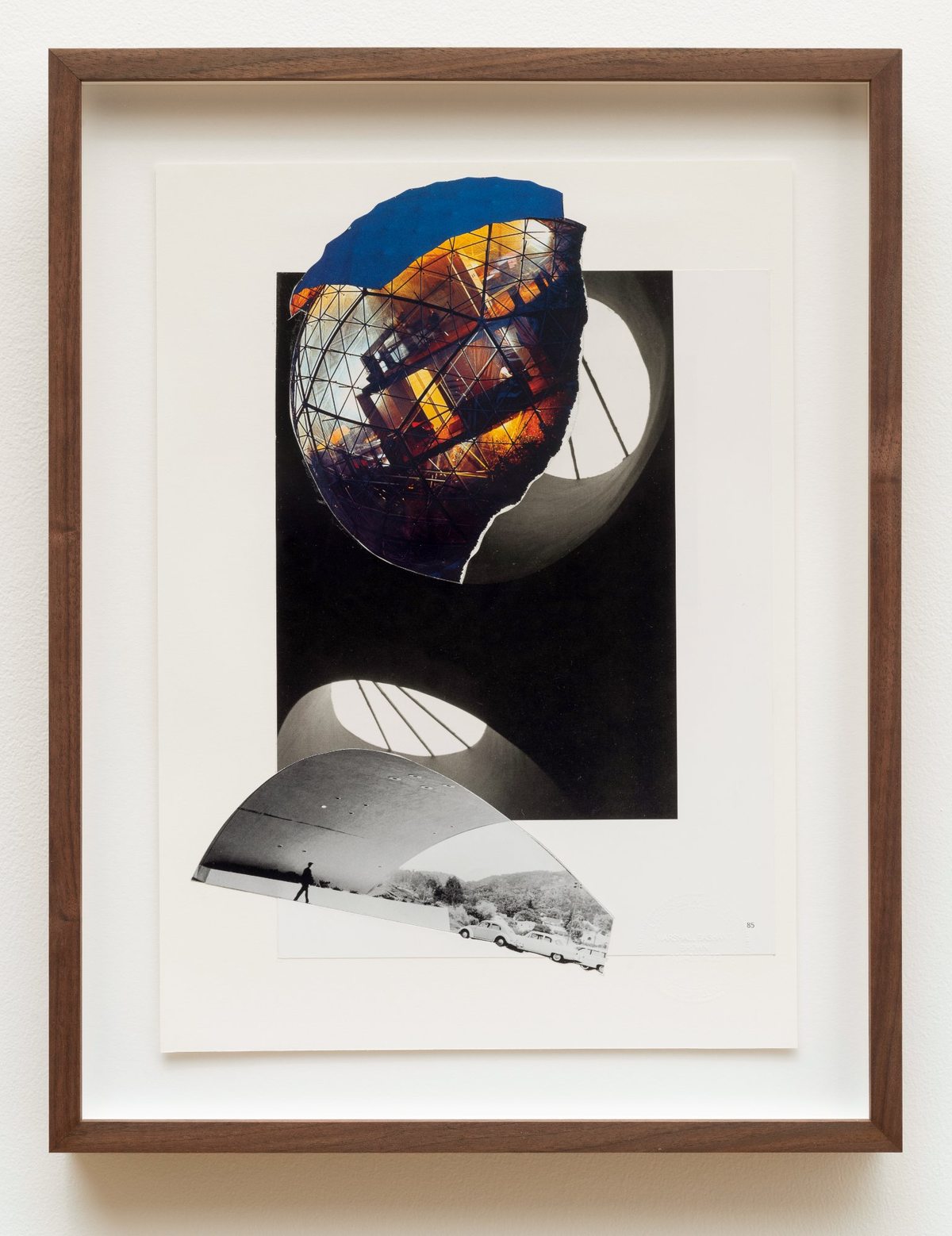
We Need Holes
2019 · Collage on archival paper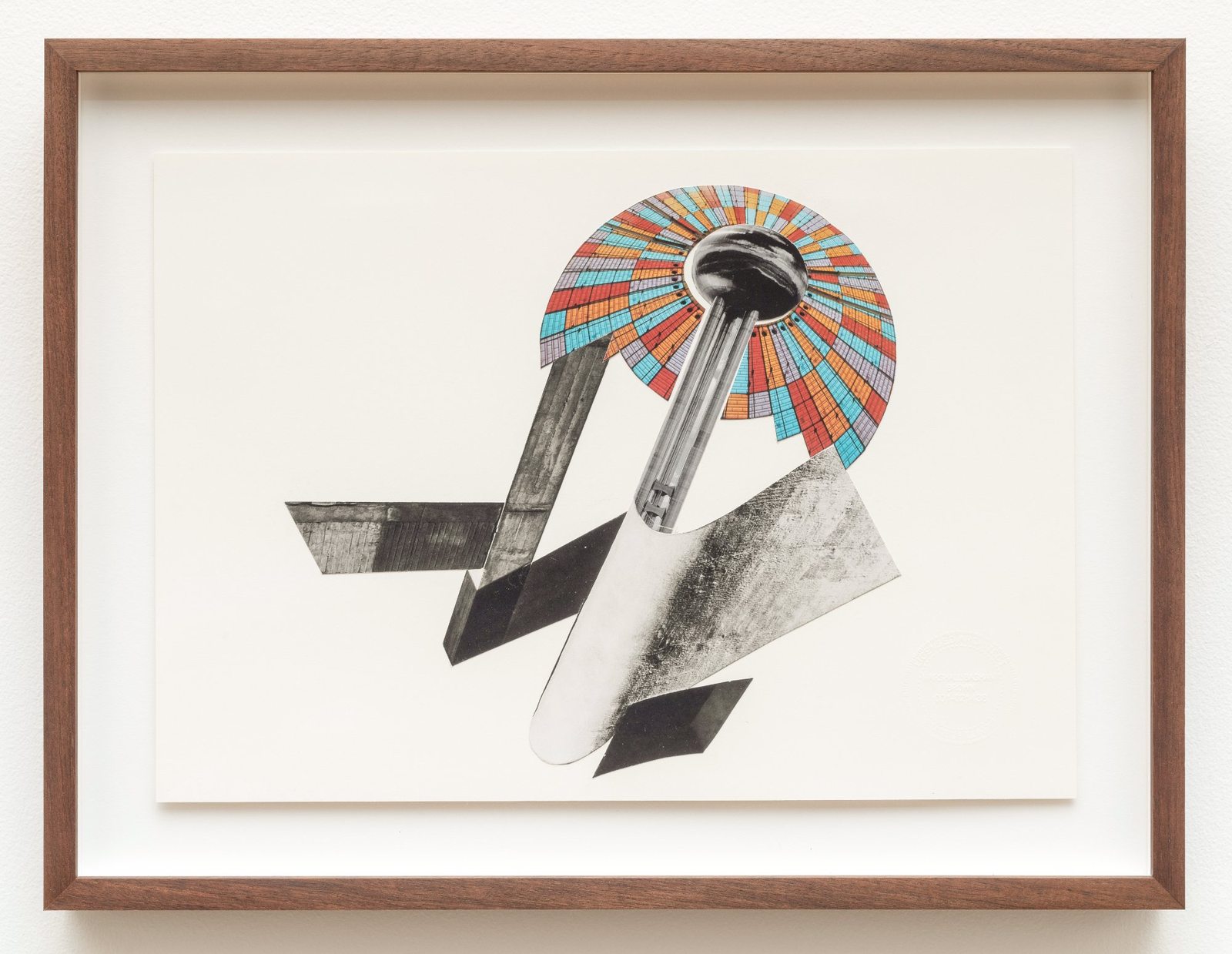
The Thing Most Easily Forgotten
2019 · Collage on archival paper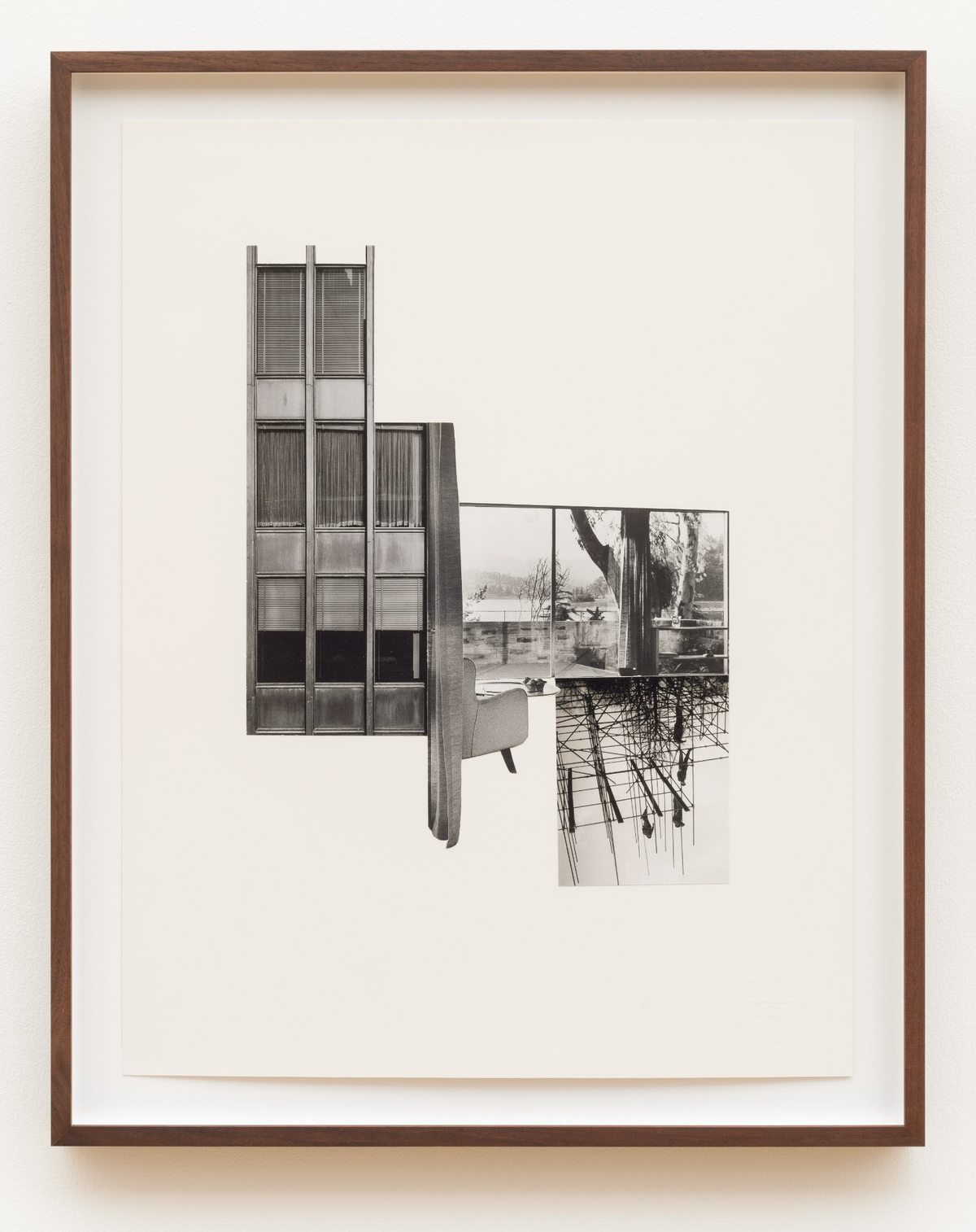
Nothing for as Long as Possible
2019 · Collage on archival paper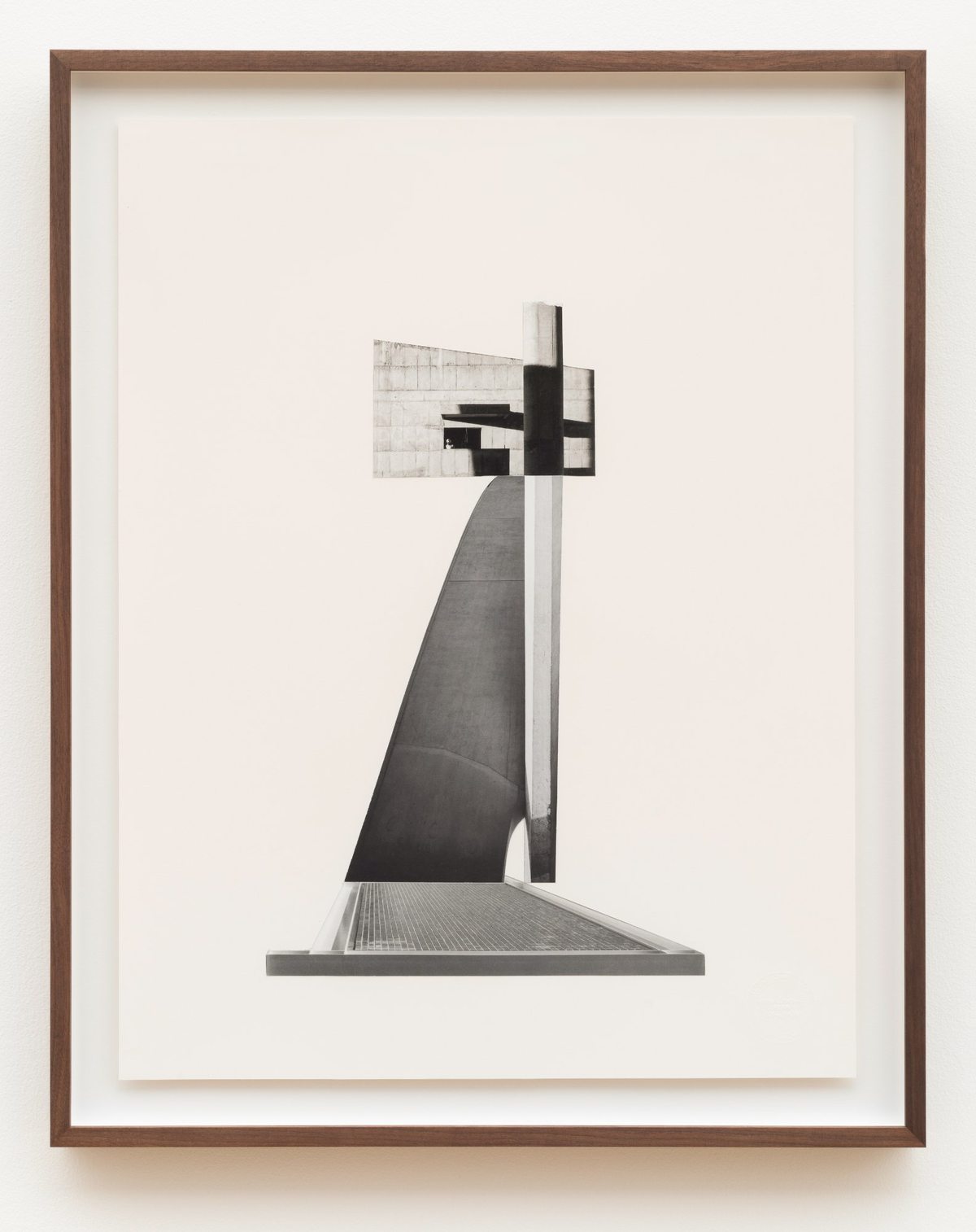
Towards the Insignificant
2019 · Collage on archival paper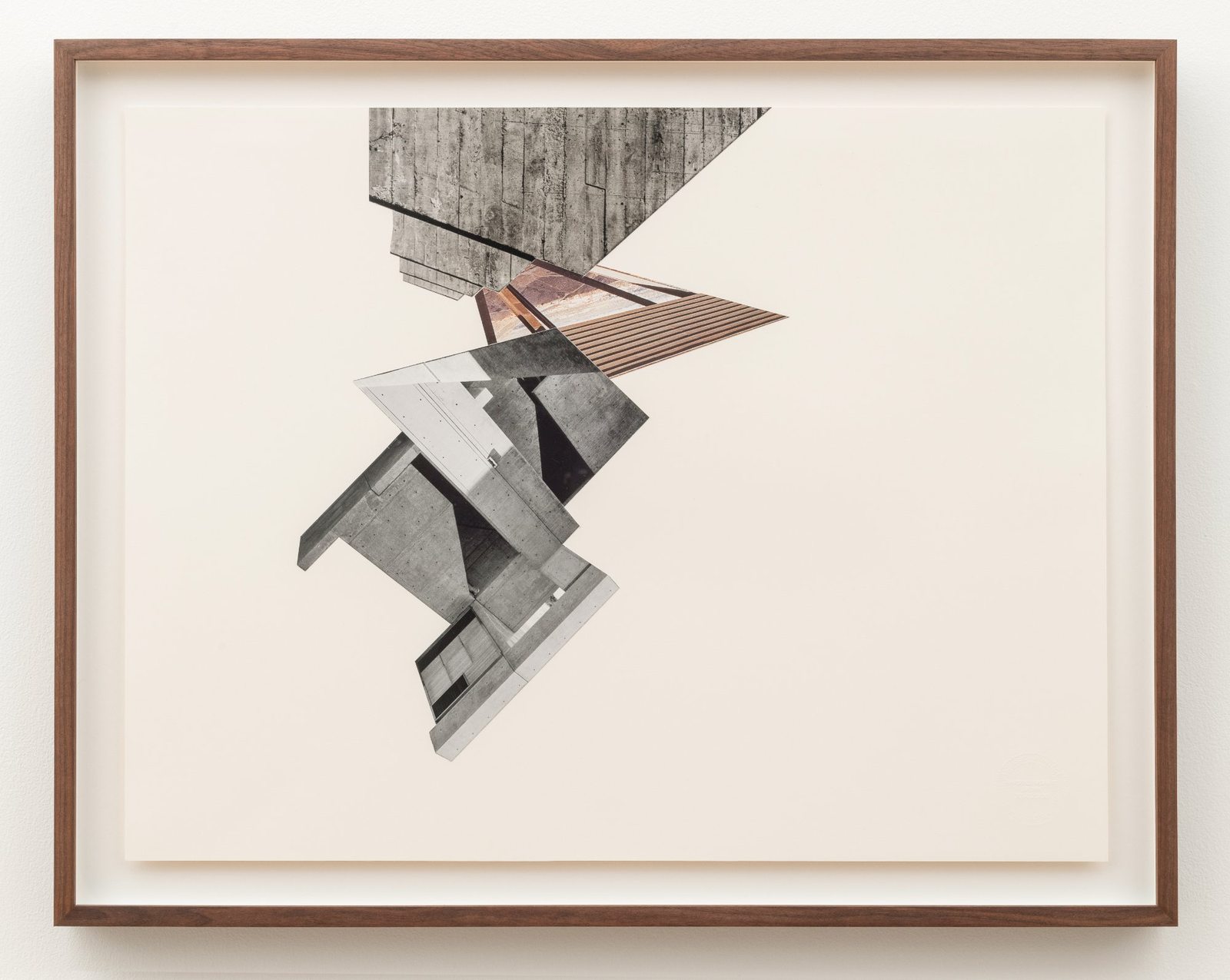
Accretion
2019 · Collage on archival paper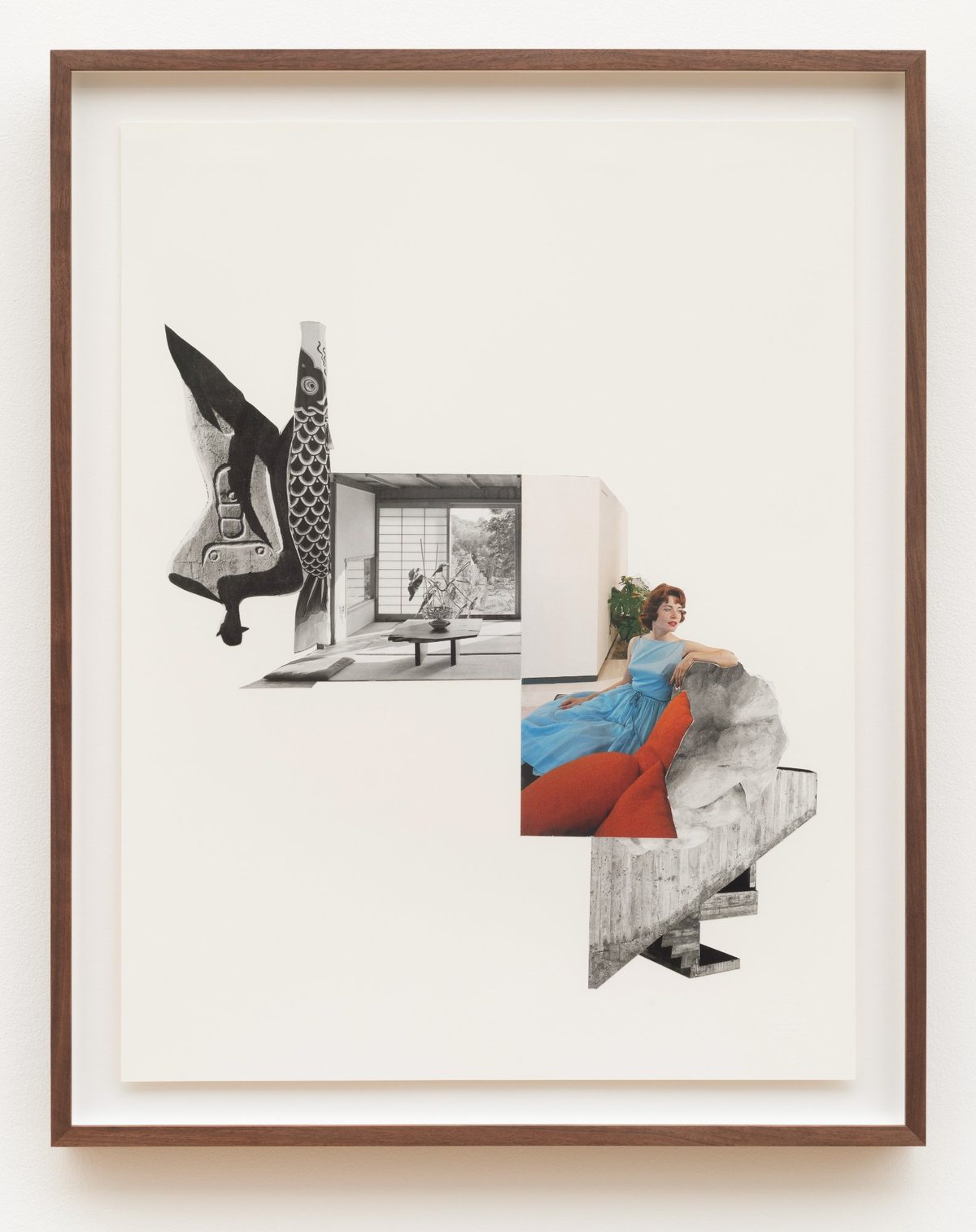
A Choice to Do Both
2019 · Collage on archival paper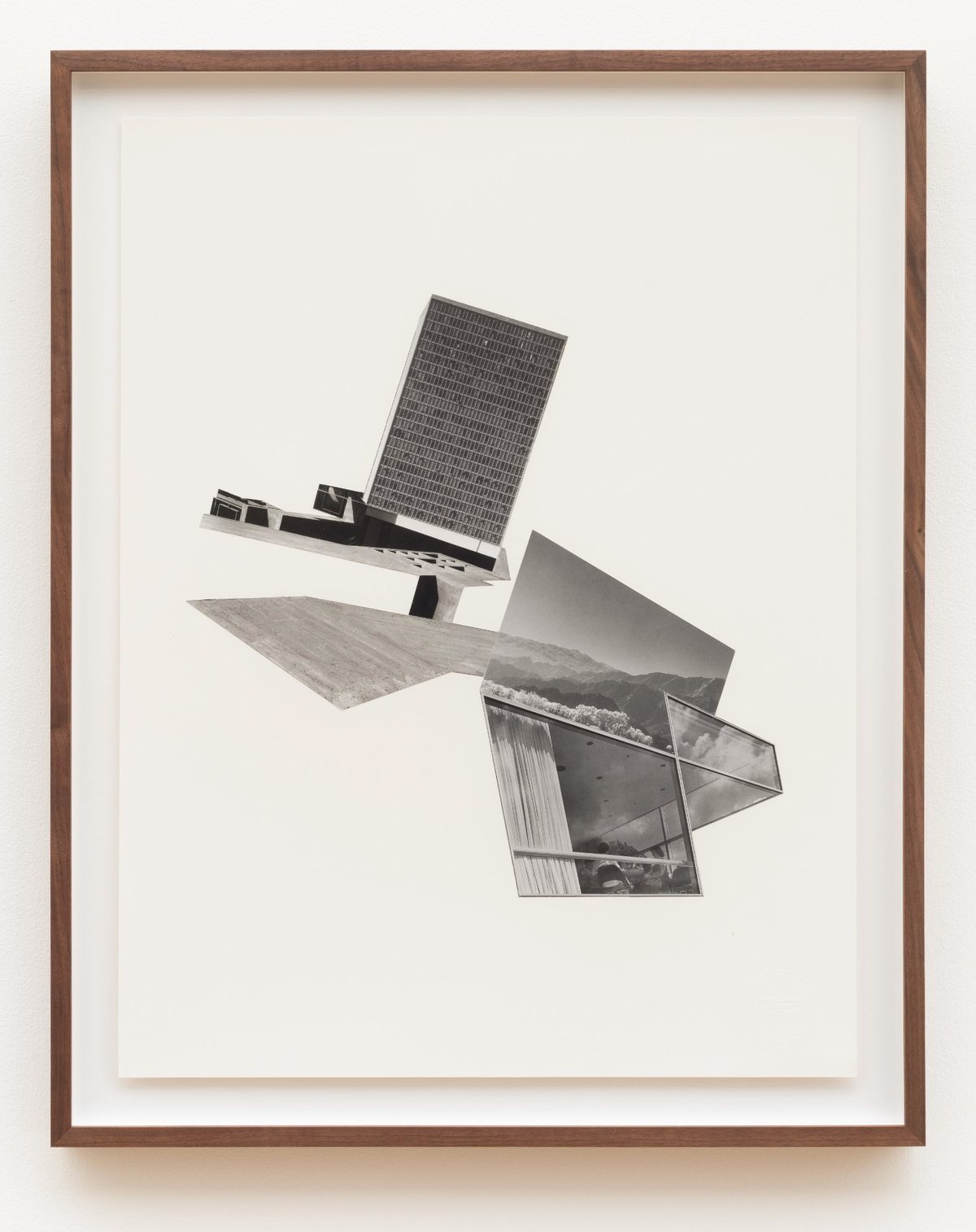
Easement
2019 · Collage on archival paper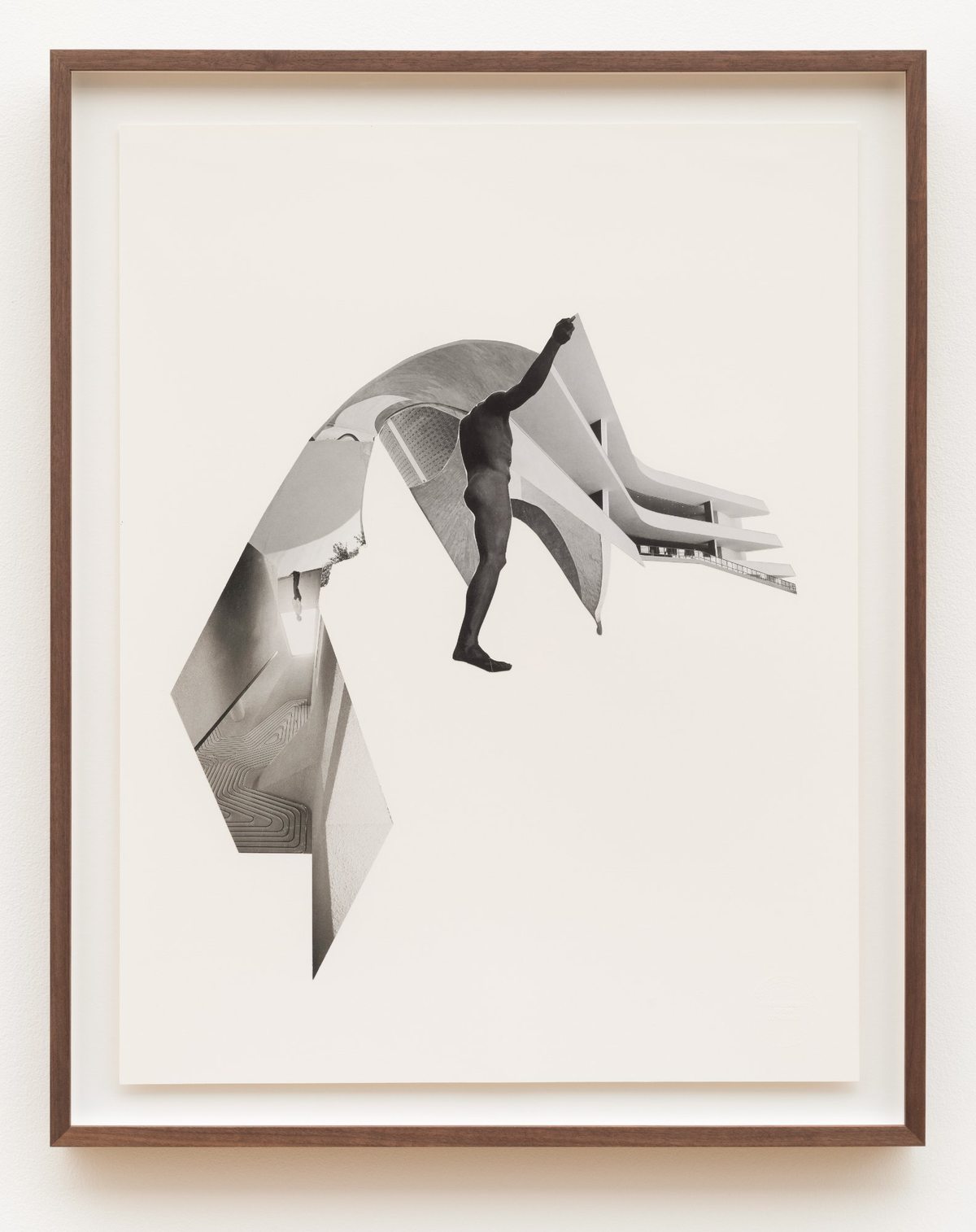
Repetition as a Form of Change
2019 · Collage on archival paper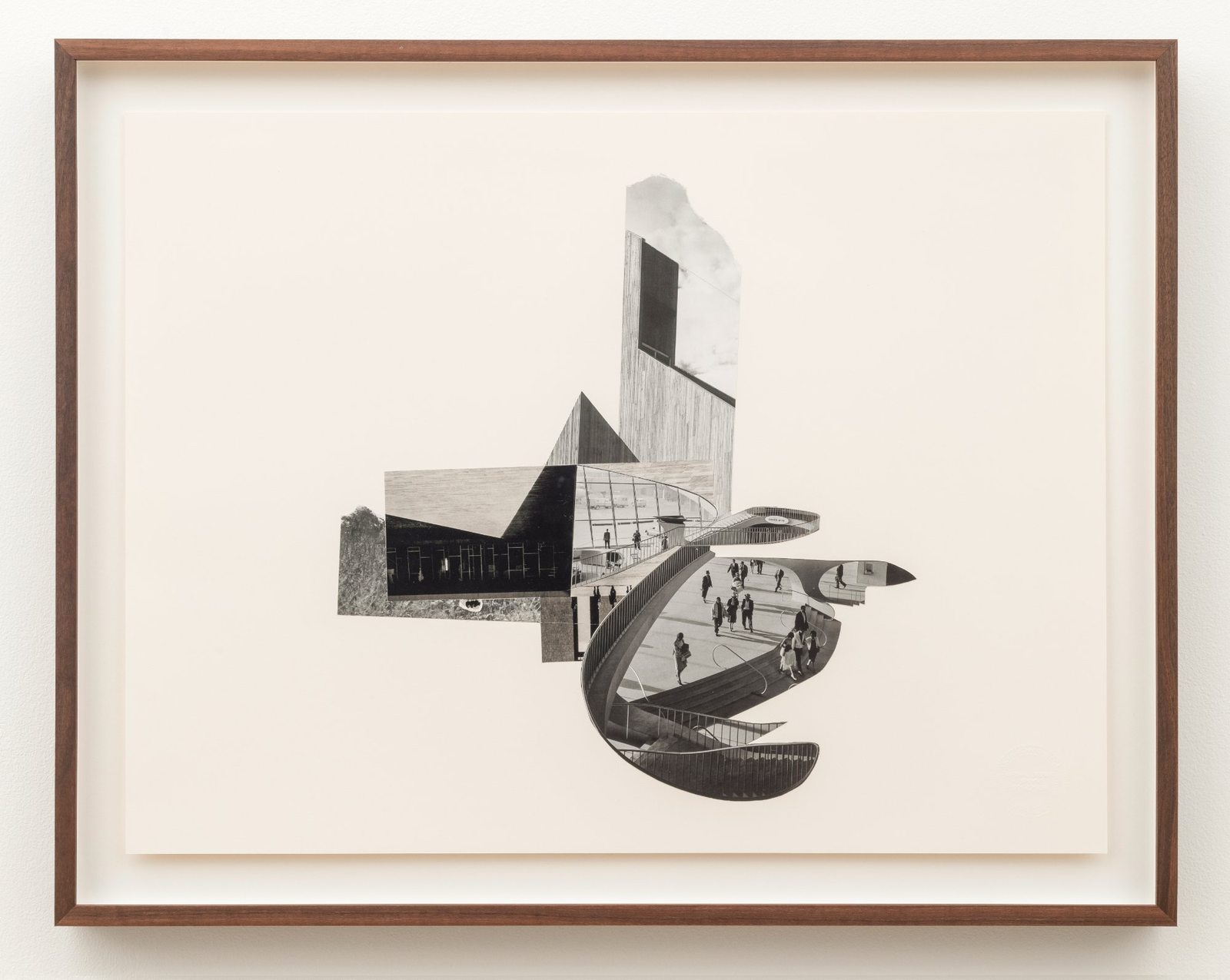
The Principle of Inconsistency
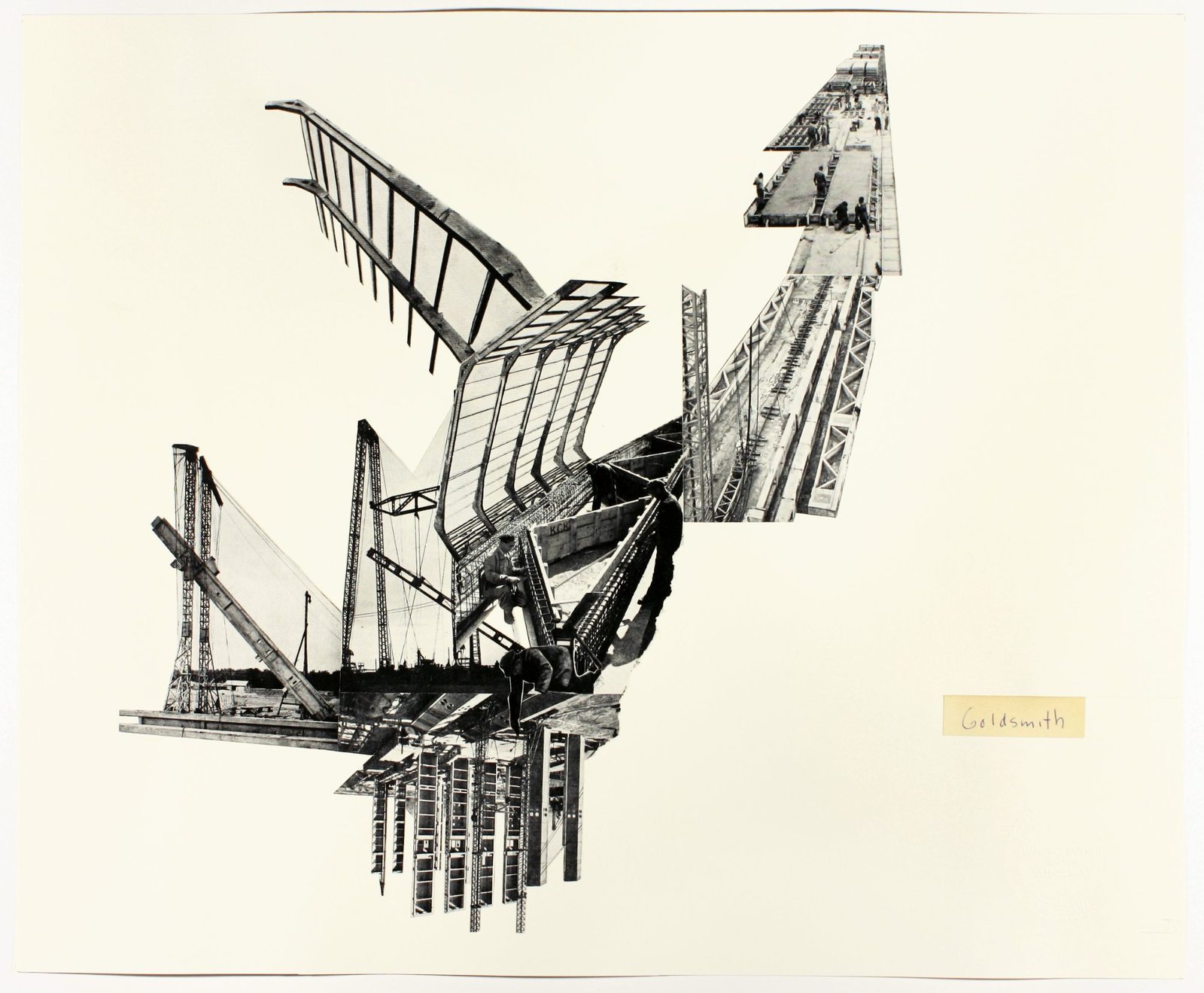
2019 · Collage on archival paperThese collages are three-bodied monsters, like their namesake lion-goat-dragon from classical mythology. They demonstrate the development of a rigorous method in my practice, whereby hand cutting and pasting of intricately shaped pieces conceals the seams between image fragments, creating new alignments between diverse and seemingly unrelated sources. The work presented here is just a selection from a much larger series, which I made precisely within one calendar year. These architectural constructions do not have predetermined locations or programs. Thus, each assemblage is an act of world-making. Except for the very earliest in the series, I drew from a collection of inherited architecture journals from the 1980s to the near present. Just as 20th-century collage was intended to shock, these Chimeras are designed to deceive, as architectural images are stealthily dismantled, realigned, and reassembled to create new forms and spaces.
Chimera 13-12-31
2013 · Collaged magazine pages, glue on archival paper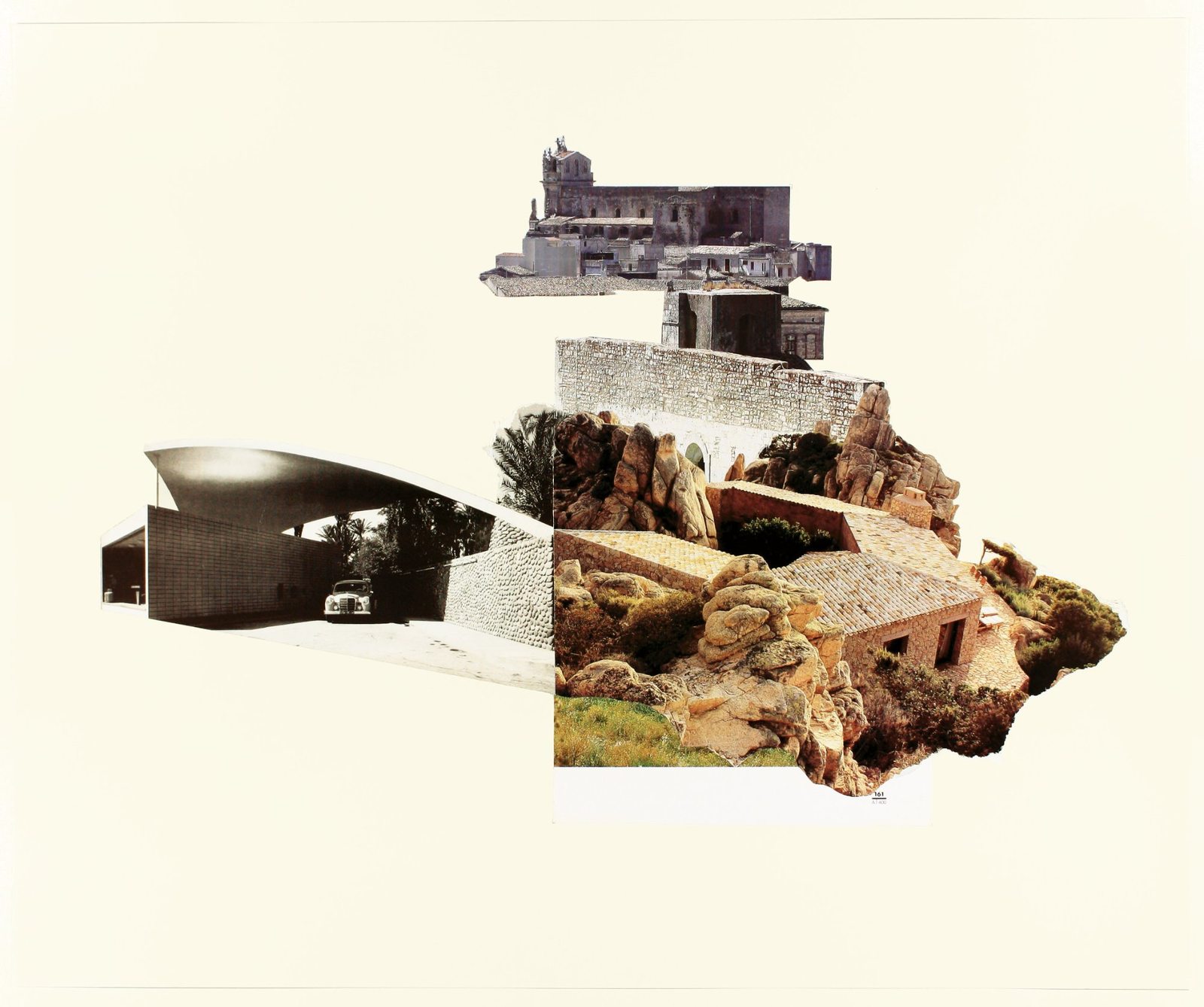
Chimera 14-04-07
2014 · Collaged magazine pages, glue on archival paper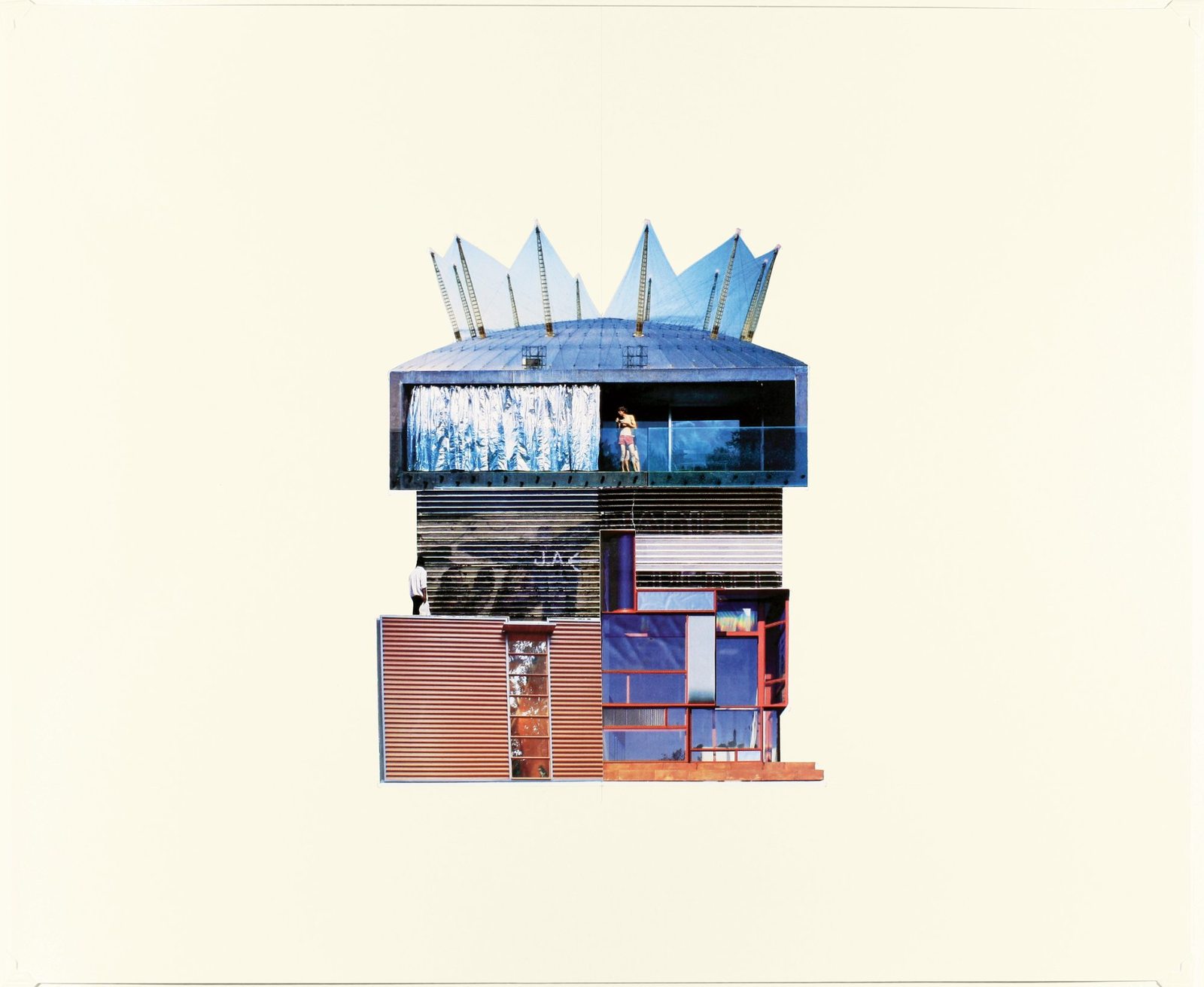
Chimera 14
2014 · Collaged magazine pages, glue on archival paper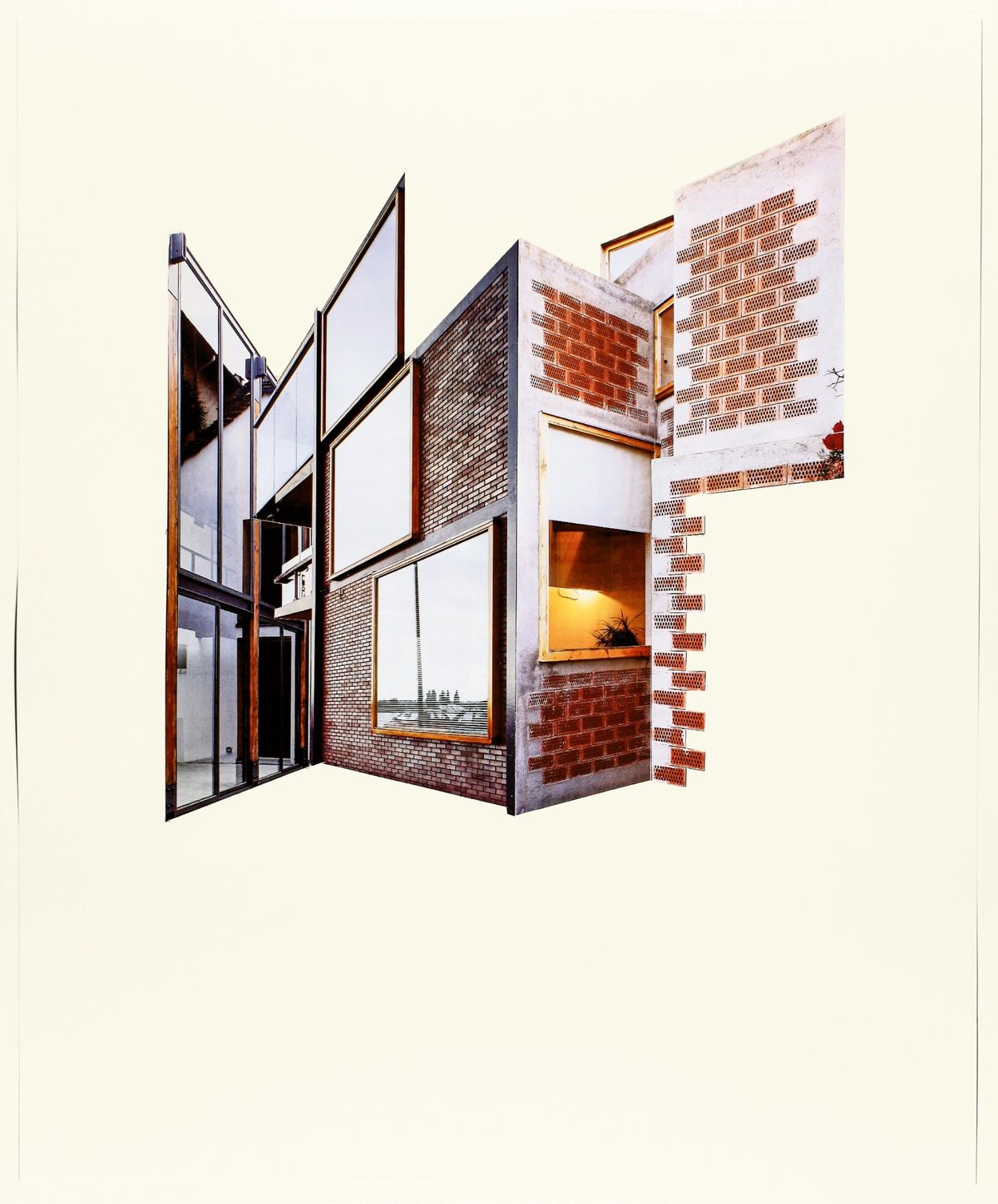
Chimera 14-03-27
2014 · Collaged magazine pages, glue on archival paper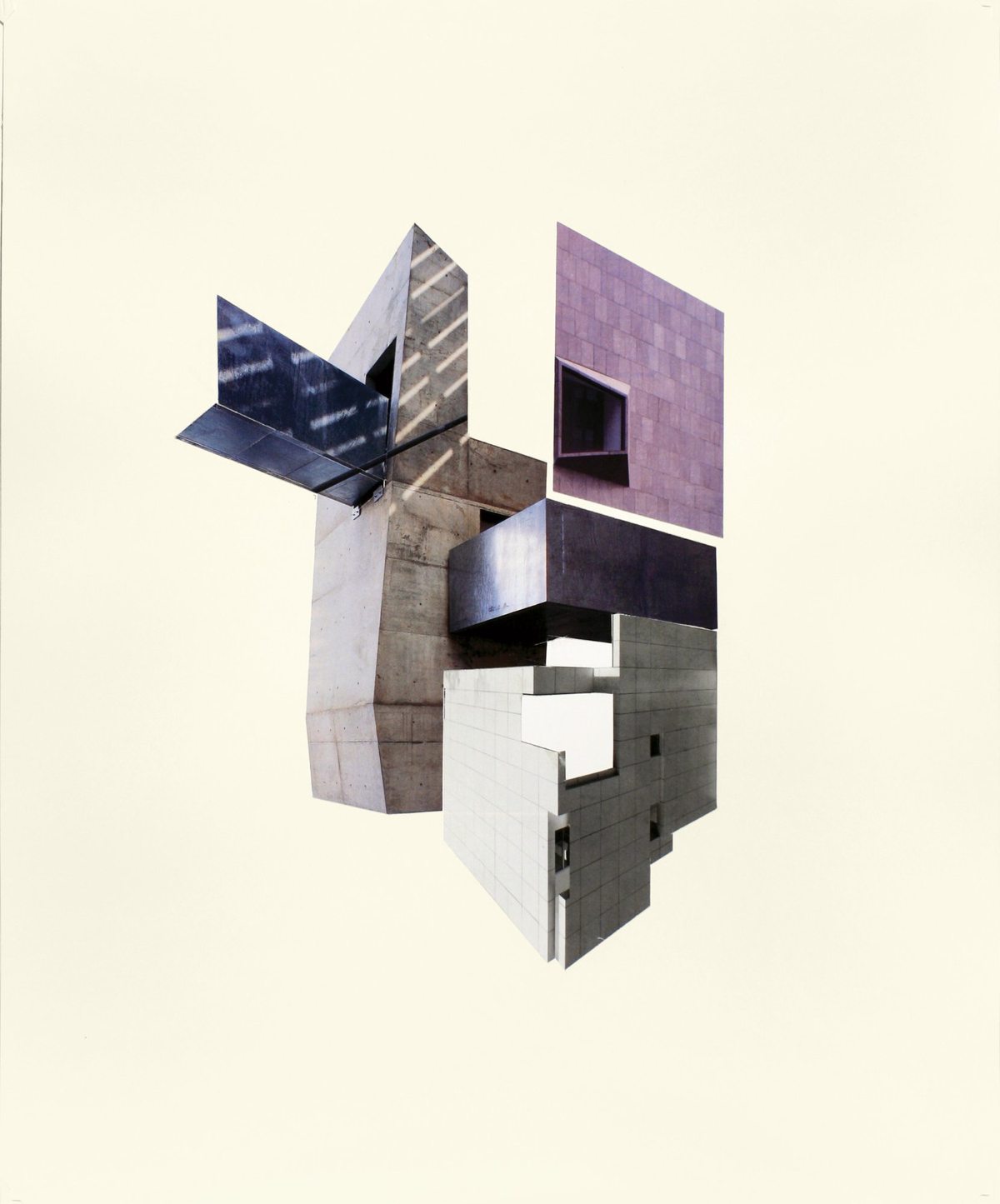
Chimera 14-07-27
2014 · Collaged magazine pages, glue on archival paper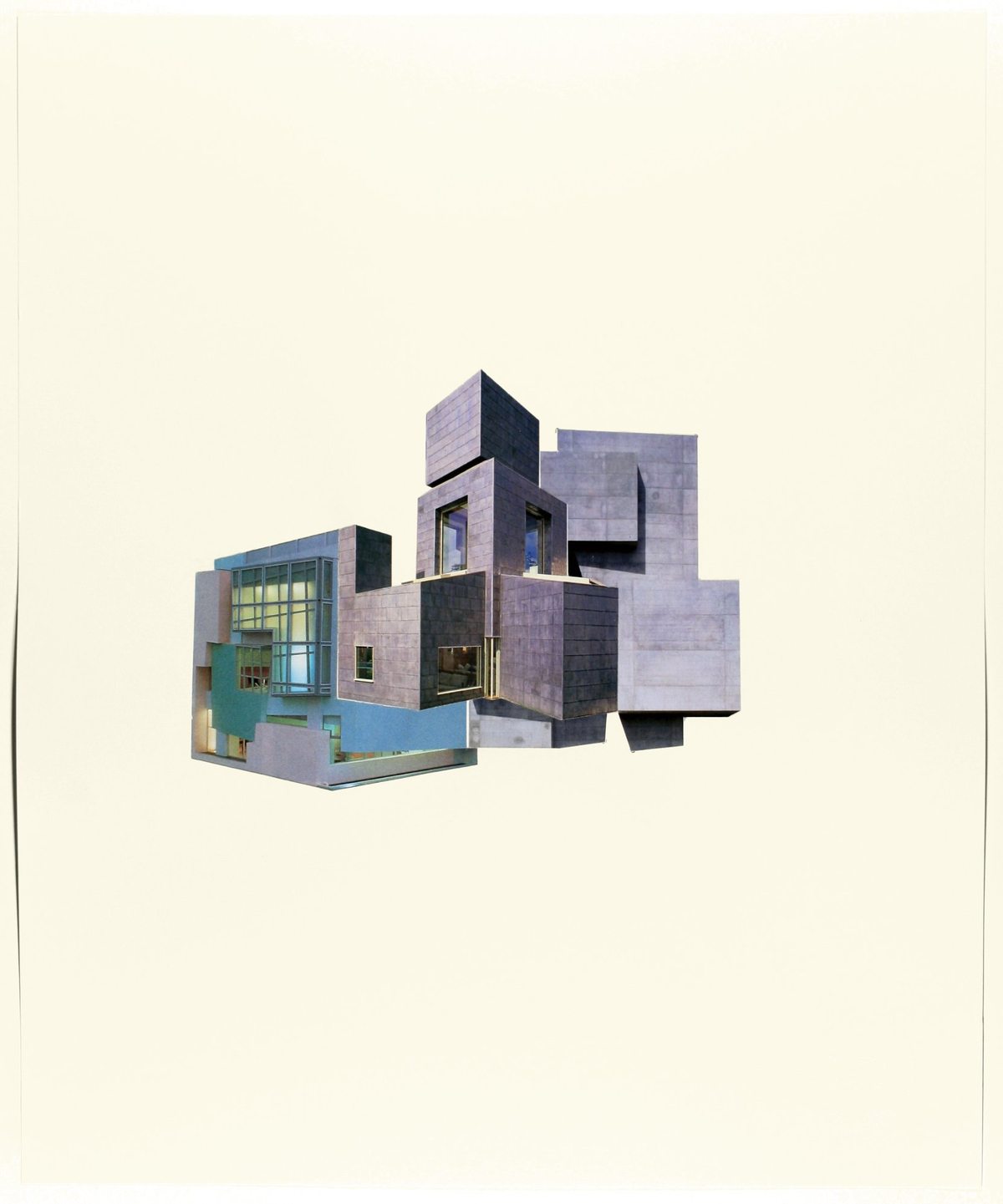
Chimera 14-03-10
2014 · Collaged magazine pages, glue on archival paper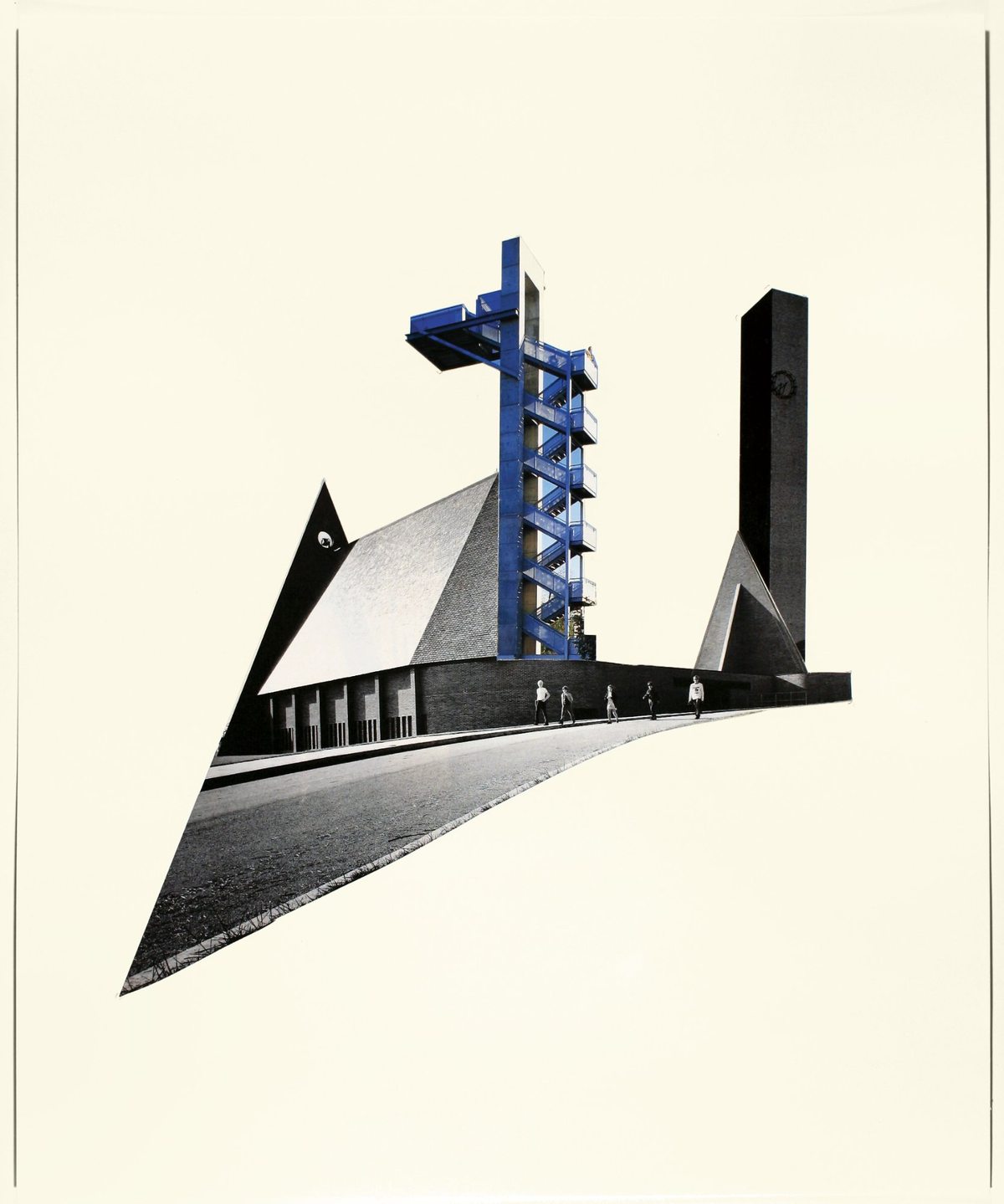
Chimera 14-05-10
2014 · Collaged magazine pages, glue on archival paper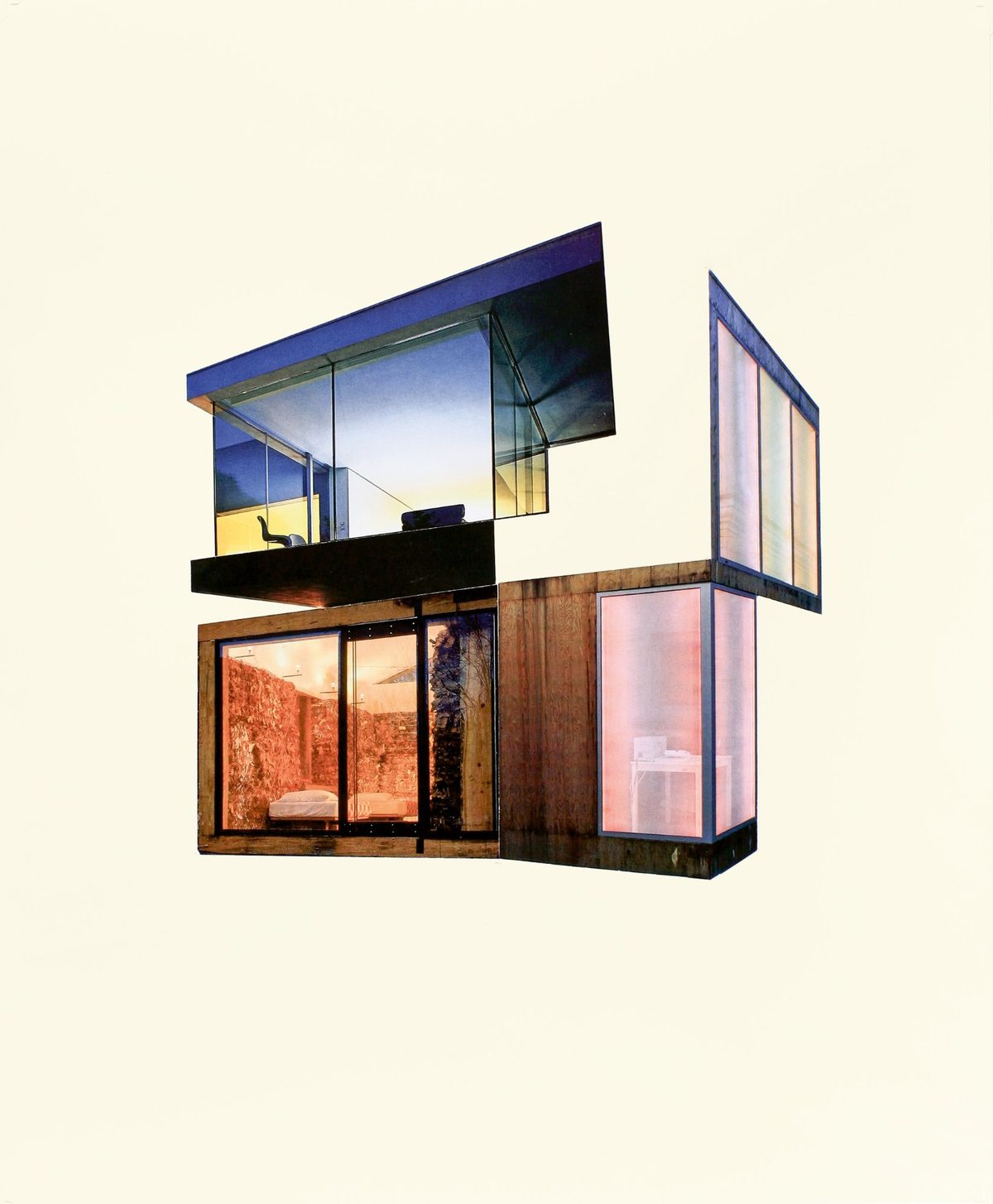
Chimera 14-09-11
2014 · Collaged magazine pages, glue on archival paper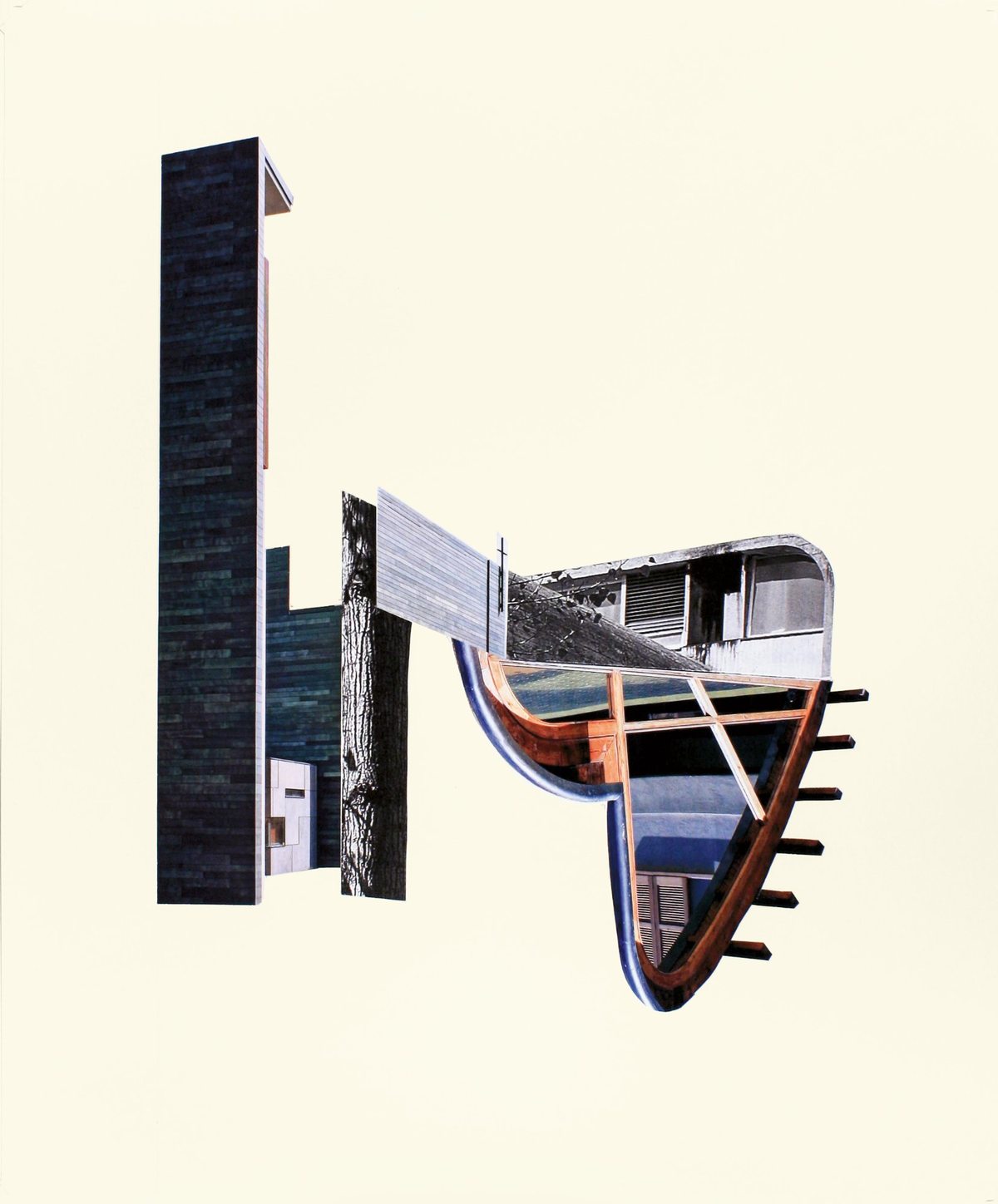
Chimera 14-09-23
2014 · Collaged magazine pages, glue on archival paperThis growing body of work responds directly to contemporary art's portrayals of architecture. In these pieces, I dismantle photographs by several contemporary artists and reassemble them to create collages that borrow pictorial strategies from the early modern architect and prolific collagist, Ludwig Mies van der Rohe. The Forgeries play a double game. I retool Mies' pictorial flatland as a mirror to reflect contemporary art's gaze back on itself, constructing new spaces that subvert our attempts to separate the two creative worlds of architecture and art.
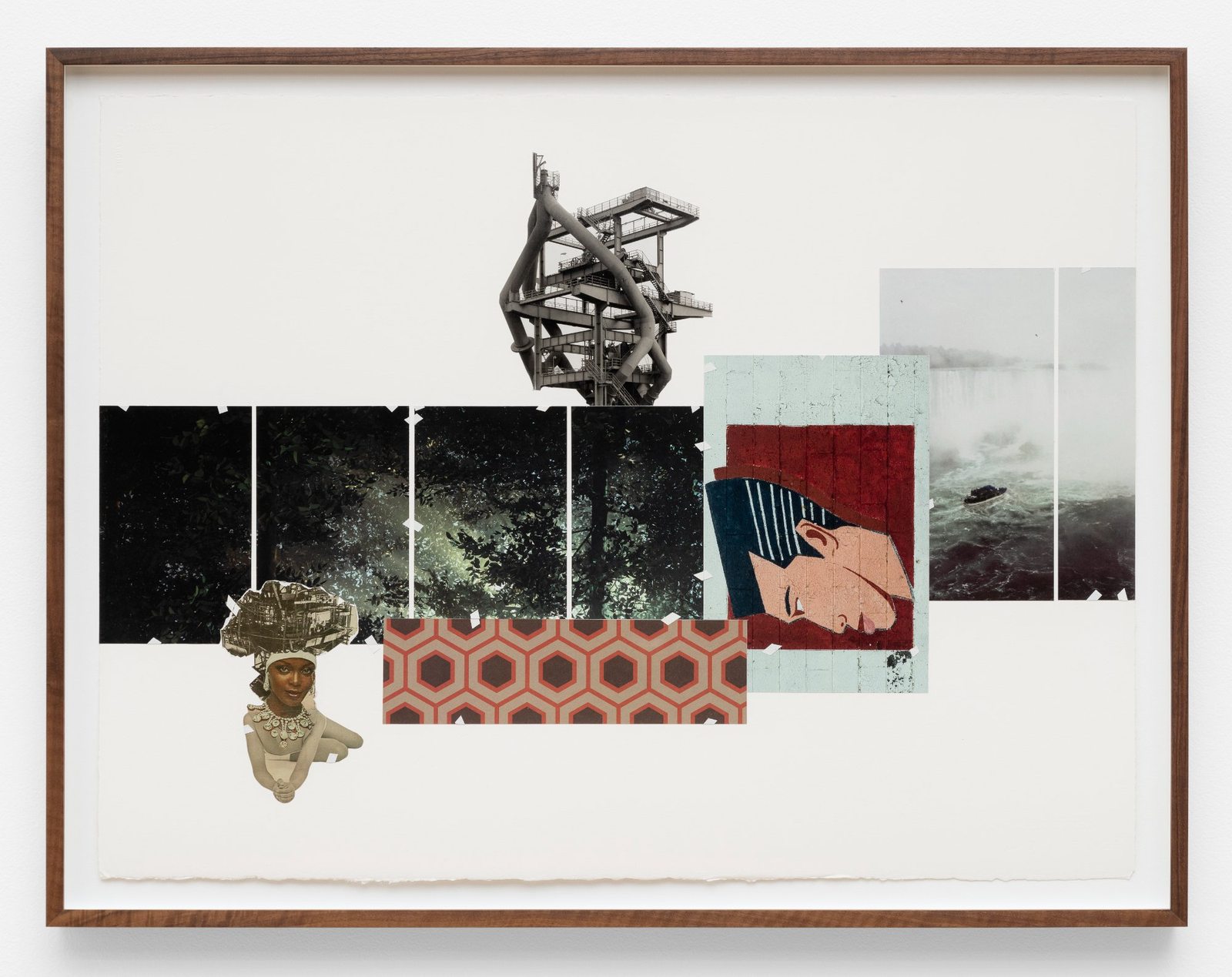
Museum
2023 · Collage on Arches watercolor paper, artist's tape · 22½ × 30 in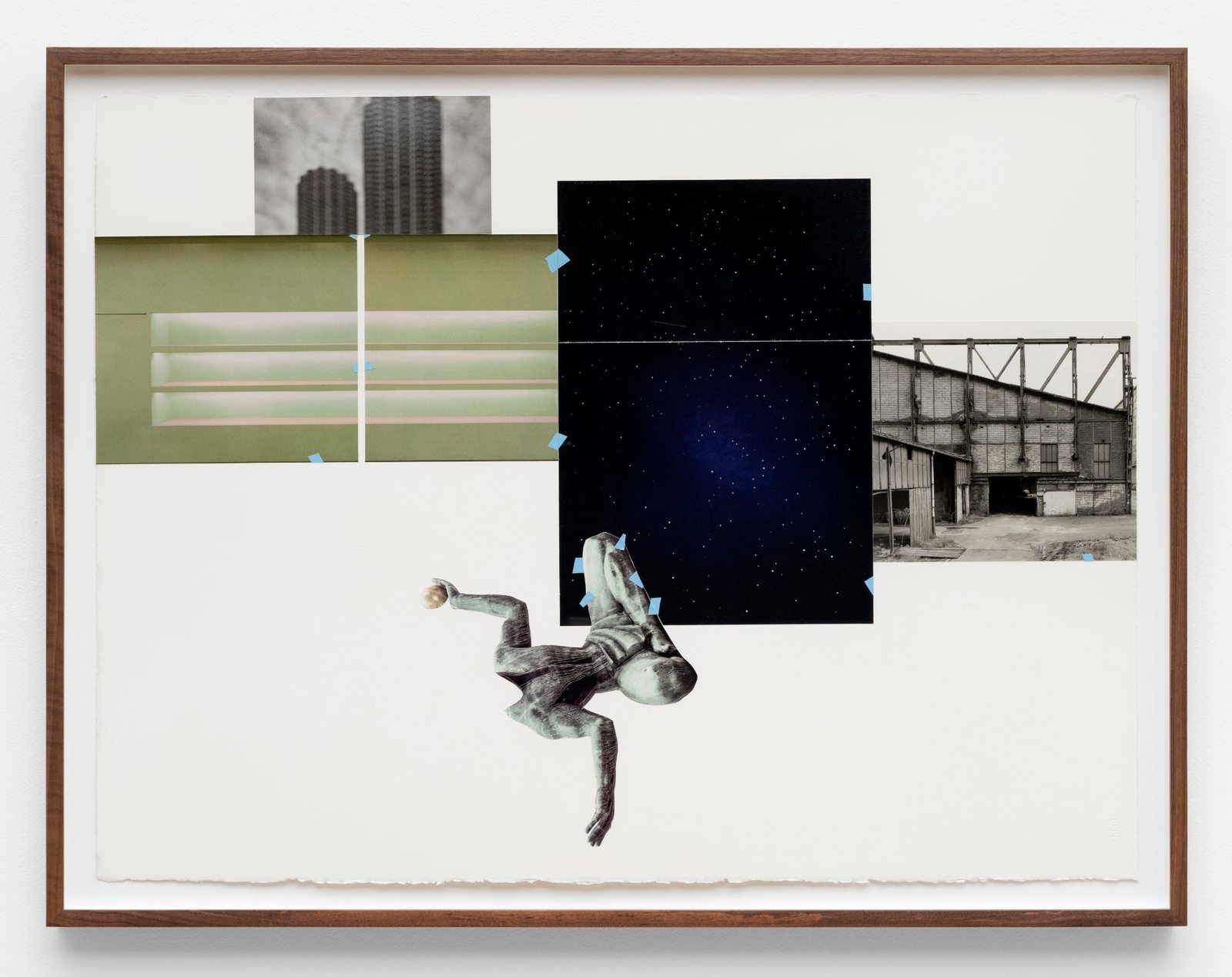
Factory
2023 · Collage on Arches watercolor paper, artist's tape · 25½ × 33 in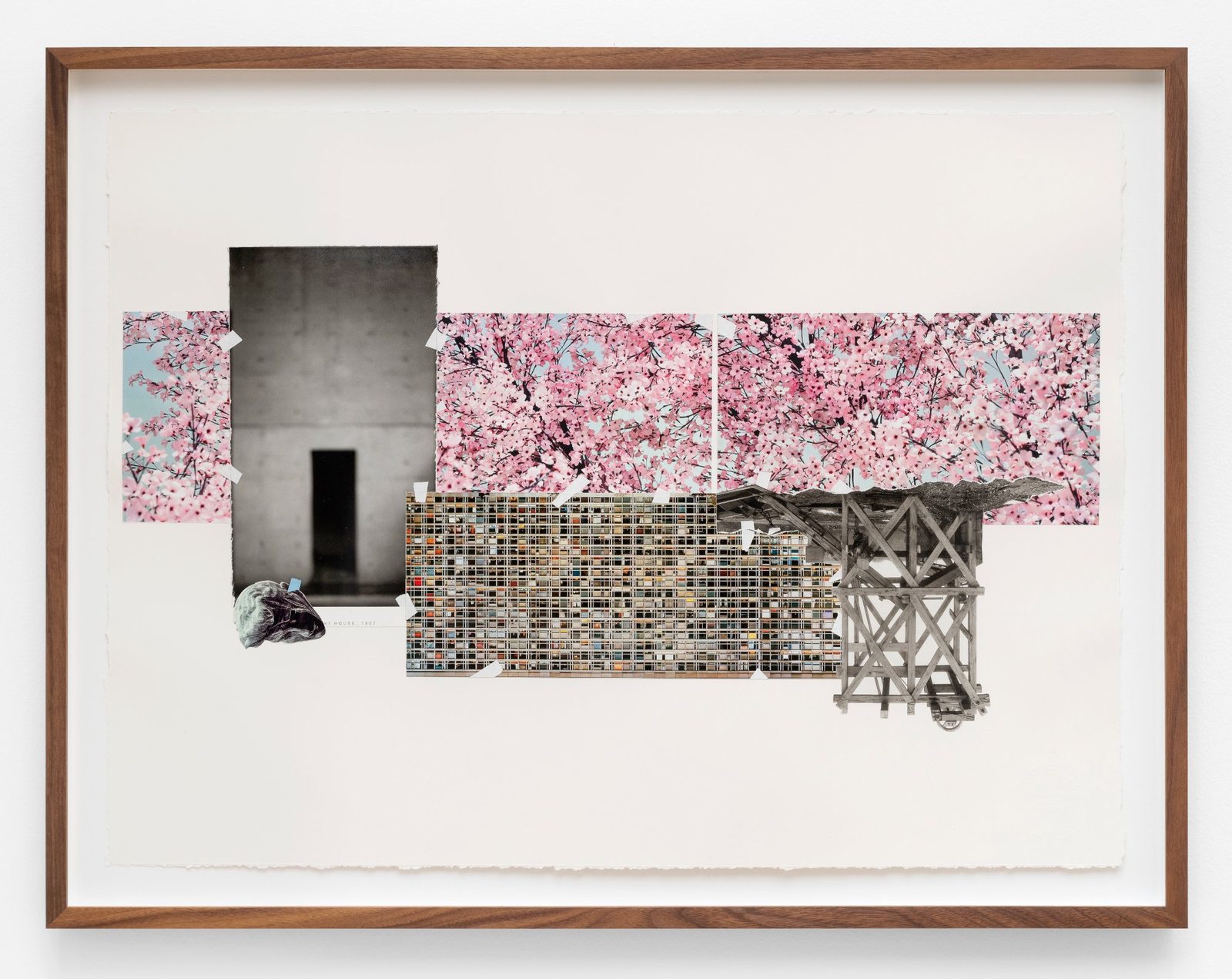
Courtyard House
2023 · Collage on Arches watercolor paper, artist's tape · 18 × 24 in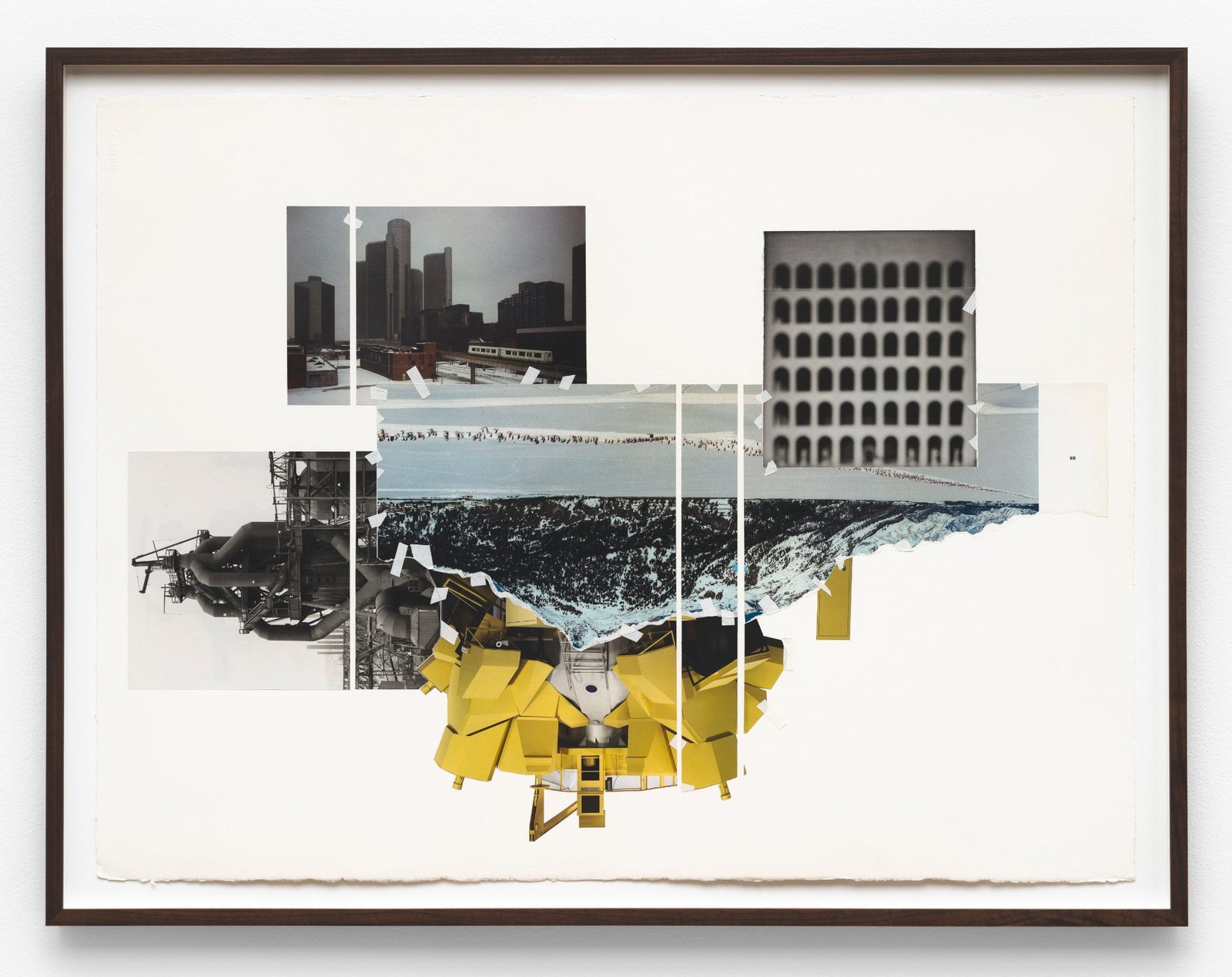
Periphery
2023 · Collage on Arches watercolor paper, artist's tape · 22½ × 30 in